
Dear New Real Estate Investor,
Of course I remember you, and thank you for reaching out. You asked me some of the same questions I hear from almost every new investor, so I am answering them here in the same way I would over coffee. I have been investing since 2002, I now invest in six states, and I have made most of the mistakes you are hoping to avoid.

What Moves the Seattle Market
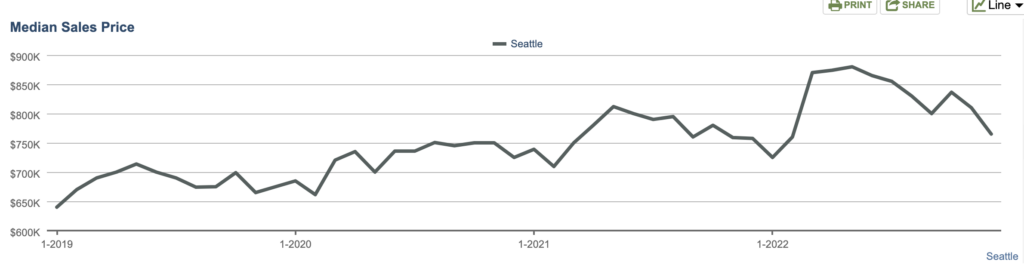
Seattle is driven by three things: how many jobs the big employers are adding, what interest rates are doing, and how much inventory is available. After a frenzy of activity, a market usually settles back to something more normal, and that is not a crisis. When transactions slow, I look at months of inventory and days on market instead of the headlines. If homes still sell quickly when they are priced right, the fundamentals are still sound.
Employer policies matter more than most investors expect. When large employers ask people to be in the office, fewer people leave for cheaper or sunnier cities, and rental and ownership demand near job centers stays steadier. When remote work is more common, people spread out. Either way, I want you to know which of those forces your target neighborhood depends on before you buy there.
Should I Invest Out of State?
It depends on what you need the property to do. Seattle prices make strong monthly cash flow hard to find, which is why many Seattle investors look elsewhere, and it is how I started: my early investing was out of state, not here. If you go that route, choose the market for its cash flow, its landlord rules, and the quality of the local team you can build, not because a national list says it is the top appreciation market this year. Those lists change.
My most important rule applies anywhere: put more weight on cash flow than on appreciation. Do not buy a property with negative or marginal cash flow hoping appreciation will carry you. Make sure you can afford to hold it for the long term, through a vacancy, a major repair or a slow market.
What About Turn-Key Rental Providers?
Turn-key companies rehab or build a rental and sell it to you with a property manager and tenant arrangement already in place. I have bought one build-to-rent home this way and have not bought their older rehabbed homes. The main benefit is that the work is done for you, which makes the purchase feel more like buying a stock. Otherwise, each acquisition can consume a lot of your time.
The caution is that you need to check how they determine values and estimate costs, because assumptions can make the picture look rosier than it is. Run your own numbers every time: market rent, property taxes, insurance, vacancy, repairs and management fees.
What My First Rental Taught Me
My first rental, which I bought in 2003, was a small house in a small North Carolina town. I kept the rent low to fill it quickly, and I learned two lessons I still use. First, write down your tenant screening rules and apply them without exception. Second, higher-end properties tend to attract more stable tenants. I now use professional property managers, and I would rather cut the rent by a hundred dollars than carry a vacant month.
How I Work With Investors
For most out-of-area purchases, I prefer to connect you with individual investment-oriented agents in the market you have chosen, because they know their neighborhoods and landlord rules far better than I could from Seattle. If you are buying or selling an investment property here, I am glad to help directly. You can read more about real estate investing in Seattle on my site.
Let me know if you need more support or an introduction. You can book a free 15-minute call or call or text me at (206) 245-8813. Always happy to chat.
Warmly,
Emily

Related Reading
- Real Estate Investment Strategies for First-Time Home Buyers
- Equity: The Game Changer for Homeowners Looking To Sell
- Women Investing in Real Estate:Here’s Why It Matters
