
Moving To Seattle, WA
If you’re thinking about Moving to Seattle, WA – you are in for a big adventure!
It could be the ride of your life – maybe you’ll fall in love with our Mountains, Lakes, Rivers, and Trails…
Or it could be a horrible mistake! Some people have moved to Seattle and hate it! What about all those rumors about rain, homeless people, and the high cost of living?
We have created a Guide to help you as you consider moving to the Emerald City – a downloadable PDF that you can keep and refer back to again and again as you research moving to Seattle and prepare to Get Your Bearings, Make The Move, and Find A Home You Love!
Well, if you want to know what Seattle Living is really like… I’m not going to pull any punches. Get in the mood with a cup of Starbucks coffee in hand, and prepare to dive in.
Here’s the real deal from a Seattle native (and real estate agent) who makes a living matching people who are moving to town with houses and communities they will love!
Meet Your “Moving To Seattle” Guide – Emily Cressey
I’m a native “Seattleite” and I love it here. I grew up kind of a tomboy, playing sports – varsity track, cross country, basketball, going to the public schools and then private school for high school. Went away for college to North Carolina – which I loved and that’s where I started investing in real estate – and then after I got married to an IT guy, I dragged him back here to join Seattle’s ranks of moss-backed, web-toed Sasquatch-hunters. And now I live close to my parents and sister – we all live in the North Seattle neighborhood of Shoreline, Washington.
Is Seattle Built Around The Pike Place Market?
Many tourists who come to the Seattle, WA area have seen pictures of the colorful and eclectic Seattle Pike Place Market. The market is the location of several famous companies original headquarters – this is where the first Starbucks got its start (You can still visit their Ground-Zero original location, but you might have to wait in line to get in! The Market was also made famous in an MTV “Real World” show, and everyone loves seeing the flying fish that vendors throw around after a lucky customer orders a whole fish to be shipped to your door.

Locals, however, don’t spend quite as much time at Pike Place. After moving to town, you may never see it again!
If you live or work downtown, it can be a fun place to go for lunch, to grab a stunning bouquet of flowers or pick up a local delicacy or handmade craft for a gift. Most of us who aren’t anchored to downtown, don’t make it down to Pike Place unless we’re hosting out of town visitors and want to show them the sites.
If you love farmer’s markets, you’ll be glad to know there are many other options that run seasonally in the suburbs from Edmonds to Kent.
Seattle, WA: A Vibrant Place to Call Home



Wide Open Spaces And Fresh Air
Many people who relocate to Seattle from other parts of the country are impressed by our local geography.
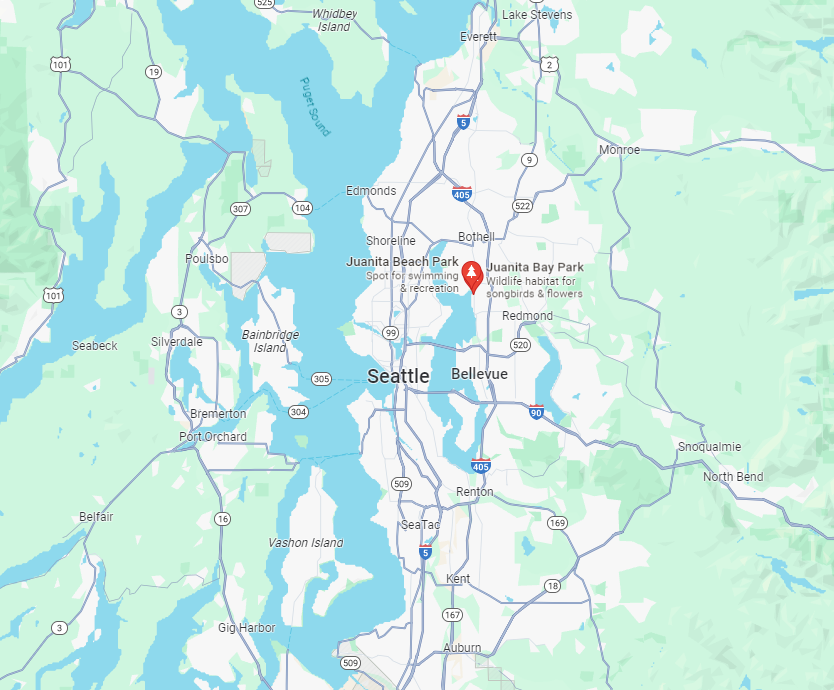
The mountains and water are high on everybody’s list when they come and drive around on the freeway, getting to know the area. There are many small lakes in the region, but Lake Washington is a major feature, running North-South From Bothell to Renton, it divides the East and West sides of town. Downtown Seattle is on the West and downtown Bellevue is on the East. We call it the “East Side” – where Kirkland, Issaquah, Redmond, Woodinville and Lake Sammamish are also located.
To the West of Seattle is Puget Sound – a protected body of saltwater. People can take the ferry across the water to the Olympic Peninsula or various islands – like tony Seattle suburb “Bainbridge Island” or the more leisurely San Juan islands to the North.
Many properties in the Seattle area are blessed to be within a 15-minute drive to either a freshwater beach, saltwater beach, or both. In addition, finding water front or water view property is made easier by our abundance of hills creating more opportunities for scenic overlooks.
Pros of Living In Seattle, WA
Many people have different “favorite things” they love (or love to hate) when it comes to living in Seattle.
Here are a few of the best things to know before moving here:
- Big and Diverse Economy, so as jobs shift, there is still solid employment and we tend to be pretty insulated from shifts in any one industry
- No income tax. This is one of the 7 states with no state income tax. But we do have a 10% sales tax.
- Great access to outdoor lifestyle – hiking, skiing, kayaking, boating/fishing,
- Laid back atmosphere.
Seattle offers opportunity, lifestyle, and long-term stability for many buyers. If you’re considering making a move here, understanding how the market works is the next step. Explore the complete Buying a Home in Seattle guide to learn what to expect and how to move forward confidently.
Cons Of Living In Seattle, WA
After seeing the longer “Cons” list – you may think I’m trying to talk people out of moving here. Not at all! I just want to make sure you know what you’re in for so you don’t have any bad surprises after you arrive. Most of these are not “new” ideas – you can encounter similar concerns in any big city. But if any of these stand out to you as big worries, let’s have a talk before you decide “For sure” about moving here and whether it’s right for you.
- Tight On Space
- Bad Traffic
- Seattle: Blending City and Suburb (but not rural) Spaces
- Urban Decay – Homelessness, Graffiti, Crime, Drug Use
As you can see by looking at the gray areas on the map of Seattle on this page… those are cities… the “Greater Seattle Area” is a very built-up urban and suburban area. There are a lot of people in a tight space. This presents a certain number of logistical challenges when it comes to living and working in Seattle or Bellevue.
First among these is traffic congestion. During rush hour, nearly everyone is traveling along the I-5 or 405 corridor. 405 is the Bellevue-side loop of I-5 that goes around the East side of Lake Washington.
405 addresses its potential for traffic problems with variable-rate toll-lanes which are tracked by license plate number or an on-board tracker in your car. The toll for traveling varies depending on how long you want to drive in the toll lanes, and how busy the road is at that time of day. The rates increase during rush hour, and the goal is to always have traffic flowing freely for the drivers willing to pay for the privilege. Others are stuck crawling along in the free lanes.
I-5 (the north-south freeway that runs from Canada to Mexico through Washington, Oregon and California) does not have any toll lanes. It addresses rush hour with a set of reversible lanes that run through downtown to increase freeway capacity. During the morning commute, the lanes open allowing more cars INTO the city. At lunch, the lanes are closed and manually reversed. In the afternoon, the lanes are set to allow freer traffic movement out of the city. The lanes are primarily to the North of Seattle, running from downtown Seattle to Northgate – 110th Ave NE.
Because we’re trying to fit so many people in such a small area, constrained by water and mountains, Seattle is a very built-up area. It’s hard to get large lots near the city for under a million bucks. For affordability and traffic-reduction purposes, the urban planners are leaning toward a high-density model which encourages builders to go UP instead of OUT and much of our new construction in the city limits is in the form of condos or 3-level townhouses.
A Few Stats: The Cold Hard Facts About The City Of Seattle And Its Surrounding Metros
City size of the Seattle Metro Area is around 4.1 million. We have the city of Seattle itself, and a lot of surrounding suburbs and cities.
Seattle Population: 800,000
Tacoma: 225,000 – Joint Base Lewis McChord
Bellevue: 150,000
Everett: 110,000 – Everett Naval Station
How would I describe the culture in Seattle? Relaxed, laid back… like many west coast cities, this is a very tolerant area. There’s a prevalent feeling of the pervasive “live and let live” philosophy.
What Can People Expect The Seattle Culture To Be Like?
Have you heard about the “Seattle Freeze”? It’s a term coined to reflect that people here are more stand-offish, probably because they’re shy and on their devices. Many Seattle-movers who hated it here reported that it was hard to meet people. Seattle is perfect for Introverts like me who enjoy drinking coffee and reading books in the rain. If you’re a big people person, you’ll need to put some effort into finding some activities, but it’s definitely doable.
In the South, where I went to college, people were more in your business, helping, connecting, but also sometimes very participatory or expecting you to participate in things, church, PTA, stuff like that… Not so in Seattle.
Here in the Pacific Northwest, lots of people are discovering themselves, expressing themselves, trying different lifestyles and philosophies. You don’t see as much of the traditional values like folks holding the door open for others, or giving up their seat on the bus for a pregnant lady.
Born Here: 30%
Out of State: 50%
Out of Country: 20%
Everyone’s Most Burning Question Answered: What’s The Weather REALLY Like In Seattle?
You’ve heard it rains all the time in Seattle right? Well, that’s only partly true.
It really depends on what time of year you’re here and what you would consider “rain.”
According to some, our outstanding Seattle weather is our best-kept secret. In fact, my father says that the Seattle summers are the best summers in the world. I don’t argue the point.
If you’re a gardener like I am, both you and your plants will love our warm, dry summers. We are a temperate USDA Zone 8. Perfect and easy!
Many people call our summer weather “Mediterranean” – like what you might experience in Italy, the South of France, or Greece… That sounds pretty good, right? Summer high temperatures are frequently in the 70’s. A “hot” day is 85 degrees. Now, I will point out that there are not too many outdoor pools or swimming here, but we can go out and enjoy outdoors all year round. When it gets really warm, we drive 15 minutes to Lake Washington, or 15 minutes to Puget Sound and dip a toe in the water. Running through outdoor sprinklers or going to municipally-sponsored “splash parks” is also a popular (and free) activity for families with young children.
BUGS: Most people find there are very few bug issues here. Animals like mosquitos, flies, and ticks are not really on my radar or a part of my life. In my experience, they are almost never a problem unless you’re a “bug attractor” like my sister. Some say that whether bugs are drawn to you has to do with your blood type. If mosquitos love you – you already know who you are – but “planning around mosquitoes” has never been on my radar here. For example, I didn’t know about screened porches or why any one would want one when I first saw them after traveling to other states.
WINTER: In the winter, the weather’s not so fabulous, but it’s not horrible either. The low temps are usually in the 40’s-50s’ a cold snap would be several days in a row with frost when you wake up.
SNOW: It snows maybe once or twice a year. We get 2-6 inches. Everything shuts down. No school, no work, limited bus service.
I joke about what bad Seattle drivers we are in the snow, but actually the HILLS make it more treacherous than some areas like the Midwest where they get more snow, but they have more plows and it’s all flat. We tend to struggle with black ice because the snow melts in the day and freezes at night, so the consensus is to just stay in and take it easy, but if you want to leave your house, you can… just don’t admit it to the boss.
They do plow the roads, it’s just takes 24 hours and they don’t always do the back roads and hills, so some people will park in a flat area and walk to their car in the morning, if snow is in the forecast.
Where I live (it’s called Lake Forest Park) we have a lot of trees, we’re an Arbor Day city – and it’s a lot of old evergreens, so we will have branches that blow down and power outages are more of a thing that we worry about.

So, RAIN – you were asking about rain…
You’re secretly waiting for me to tell you how much it rains….
We actually don’t get all that much rain here. It rains maybe 38” per year. But it’s not the heavy, pounding rains that you get in the SouthEast or the Midwest. When you go out in the rain, there’s occasionally a quick shower, but mostly, it’s just sort of dripping or drizzling intermittently throughout the day and that can make it cloudy and overcast.
The clouds are really more the problem. Some people actually get “SAD” – Seasonal Affective Disorder – which is a type of depression from not enough light, so you can combat that with light therapy, or an infrared sauna like I have in my house, or just go outside every day, rain or shine, walk your dog, roll up your sleeves, take off your sunglasses and get some sun on your skin. We call sunbathing getting our Vitamin D allowance, and a lot of people here take supplemental Vitamin D since there’s just not as much light during the winter. On the plus side, we don’t have as many wrinkles and sun damage on our skin! 😊
Cost Of Living: What You Should Expect Buying A House When Moving To Seattle, WA
What are the price ranges for condos, single family homes?
To buy something in the Seattle area, you’re going to be looking at condos starting at around $300K. You can find some for the mid-$200’s, but they are going to be pretty low-quality, like a rental-quality home. You can get a nice 2-bedroom condo in Kirkland, by Bellevue/Microsoft for $300K or you can get a downtown Seattle 1-bedroom on Capitol Hill for that price range.
Free-standing homes are going to start around $400-500K in South Seattle, down near the airport and closer to Tacoma.
Popular/new 2,000 square foot 3/2 homes in the suburbs are going for about $700K+ right now.
The Median Price range in King County is $680K this month and rising.
In Snohomish County (Everett) it’s about $550K
Pierce County: $450K
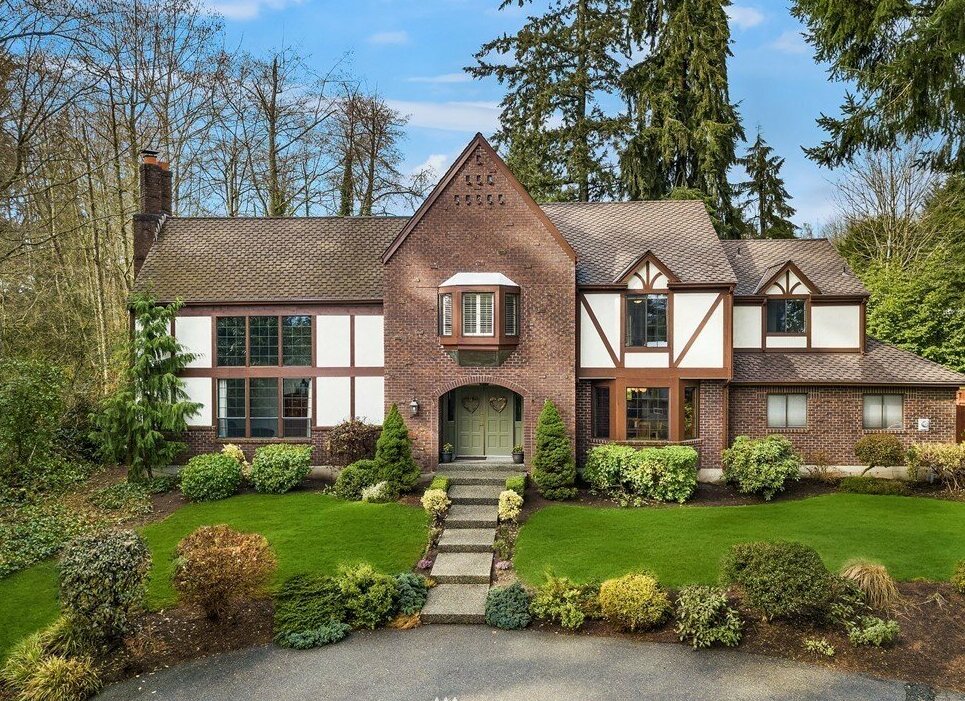
Once you get into the million plus range: you’re looking at a price range for most people’s second or third residence… a “move-up home” for most people, or a new-construction property straight from the builder. $2-3 million is what I would consider a luxury home – some of the most prestigious neighborhoods, gated communities, 4,000 sq foot new construction homes, etc.
If you’re looking for something cheaper you can always rent, but most residents find that when they go down that route, rent goes up over time and houses get more expensive, and it makes it harder to get into a property. Buying a condo or townhouse you can afford may be a better way to keep up with the real estate market while still sticking within your budget.
What we don’t have a lot of is acreage, rolling estates, big yards, horse property – that is hard to find within an hour of the city centers. You have to go out into the country for that, and even those plots are getting bought up by builders now, if they’re not a wetland, they’re getting bought up.
If you want to build something, the price of land, here in Lake Forest Park, an urban lot on my street is selling for $300K, and it has wetlands on it, so you can’t even use the whole property. You can build a 3-story single family on it that will be worth about $1.2 million when it’s done.
And while you’re deciding how much money you need to have to move to the city and buy a house, don’t forget to add in your closing costs, which you can estimate using a closing costs calculator online. You can also talk to a local Seattle Credit Union to get an idea of rates for buyers in this area.
Are you ready to see the full plan?

Understanding the full strategy is essential when buying a home. Review the complete Buying a Home in Seattle guide to see how everything connects.

How Competitive Is The Real Estate Market In Seattle?
If you are moving to Seattle, it is important to understand that the housing market here has historically been competitive. Strong job growth, limited geographic expansion due to water and mountains, and consistent buyer demand have supported long-term appreciation trends. While market conditions shift over time, Seattle has generally remained a supply-constrained market, meaning preparation and strategy matter for both buyers and sellers.
For many people moving to Seattle, the biggest surprise is how differently homes can perform depending on price point, neighborhood, and condition. Well-priced, move-in-ready homes in desirable areas can still attract strong interest. At the same time, today’s buyers are more analytical and selective than during peak frenzy years. Homes that are overpriced, poorly staged, or in need of visible updates may sit longer and create room for negotiation.
The condo market and higher price tiers often move at a different pace than entry-level single-family homes. Buyers in these segments tend to compare more options and evaluate monthly costs carefully. That can create opportunity for strategic purchases, especially when a listing has been on the market long enough to lose initial momentum. Often the issue is not the location itself, but presentation. Worn flooring, deferred maintenance, weak photography, or lack of staging can significantly impact perceived value.
For sellers, preparation is critical. Even in competitive conditions, buyers respond to homes that feel clean, well-maintained, and thoughtfully marketed. Coordinating with an experienced real estate professional on pricing, timing, and presentation can materially affect the final outcome. Small improvements made before listing often produce stronger results than reactive price reductions after a home sits.
If you are moving to Seattle from out of state, it is especially important to understand that this is not one uniform market. Conditions vary by neighborhood, commute corridor, and property type. Some homes generate multiple offers quickly. Others allow time for careful review and negotiation. The right strategy depends on inventory levels, your budget, and how flexible you can be regarding location or condition.
Seattle real estate moves in cycles, but long-term fundamentals have historically supported demand. Rather than relying on headlines, the smartest approach when moving to Seattle is to evaluate the specific micro-market you are entering. Gathering current information about pricing trends, inventory, and competition in your target neighborhoods will help you move forward confidently and avoid unnecessary stress.
Seattle Property Taxes
Property taxes in the Seattle area generally range around approximately 1% of assessed value, though the exact rate varies depending on the specific city, school district, and local levies.
As a rough planning estimate:
- A home assessed at $500,000 may have annual property taxes in the range of $4,750 to $5,500
- A home assessed at $1,000,000 may have annual property taxes in the range of $9,500 to $11,000
Keep in mind that tax rates can change annually and differ slightly by neighborhood. Before purchasing, we always review the specific tax district for the property so you understand the actual projected obligation.

Public Transportation in Seattle
How is the transportation? Is it walker, biker or commuter-friendly?
Here’s the good news. Seattle has a great Bus System, very efficient, if you can get to the freeway and find a park-and-ride, you can zip downtown from almost anywhere. Some of the suburbs have bus access through the surface streets too, but there are more stops, so that can be a little slower than just 2-3 stops along the freeway and then non-stop into the city.
We are also putting in a Light Rail System. This has been a big project in terms of tax dollars from the residents, and time for the builders. Right now the rail goes from SeaTac Airport North through downtown Seattle and up to the University of Washington. They’re extending it to Lynnwood now, so we’ve seen a lot of development in that area and new construction, it’s all high density near those areas. Next it will go up to Everett.
We also have a new commuter train called the Seattle Sounder, that runs along the coastline of the Puget Sound . You can go from Edmonds, into downtown Seattle and also down to Tacoma via the Sounder.
The most walkable areas for Seattleitesare around the University of Washington, where there are a lot of students and downtown Seattle/Capitol Hill. This is where we have high-rise offices, and high rise apartments and condos, so you can get to a lot of the areas you need to go by foot and/or bus.
On the East Side – we have a freeway loop around the East Side of Lake Washington Lake Washington that has created new (optional) toll lanes. So you can still drive it for free, or if traffic’s backed up, you can drive in and out of the toll lanes, which have a variable pricing structure, depending on how heavy traffic is, to keep those lanes moving quickly.
Want a deeper breakdown of commute times, traffic patterns, and how transit impacts where you should live?
Read my full guide here: Where to Live Based on Commuting in Seattle
That guide walks through commute strategy, transit options, and how to balance lifestyle with travel time before choosing a neighborhood.
What Are Seattle Schools Like?
Here in the Seattle area, attending public schools has pretty much been the “norm” for residents for many decades. As public schools become more politically-contentious and more “tech money” comes to the area, I expect to see an increase in private school enrollment. Nevertheless, many wealthy people plan to send their kids to public school, and buy a house near strong public schools with this in mind.

A great place to go to see an interactive map of the rankings of public schools in the area is Great Schools.org. There you can enter a city or zip code and see the schools on the map, as well as a numerical score evaluating your options. There are many schools scoring an 8, 9 or 10 on the East side, but this is also an area where real estate tends to be most expensive.
Overall, I would summarize my findings to say schools are pretty well-rated in the city of Seattle, better in the North than in the South.
Excellent on the East Side.
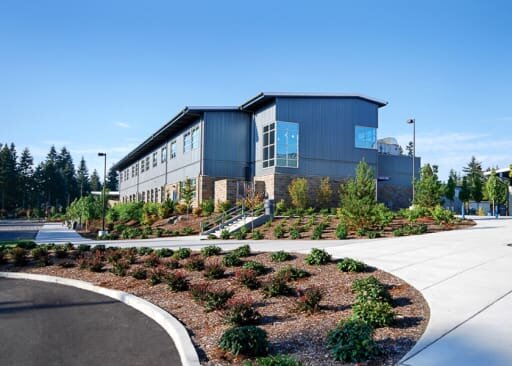
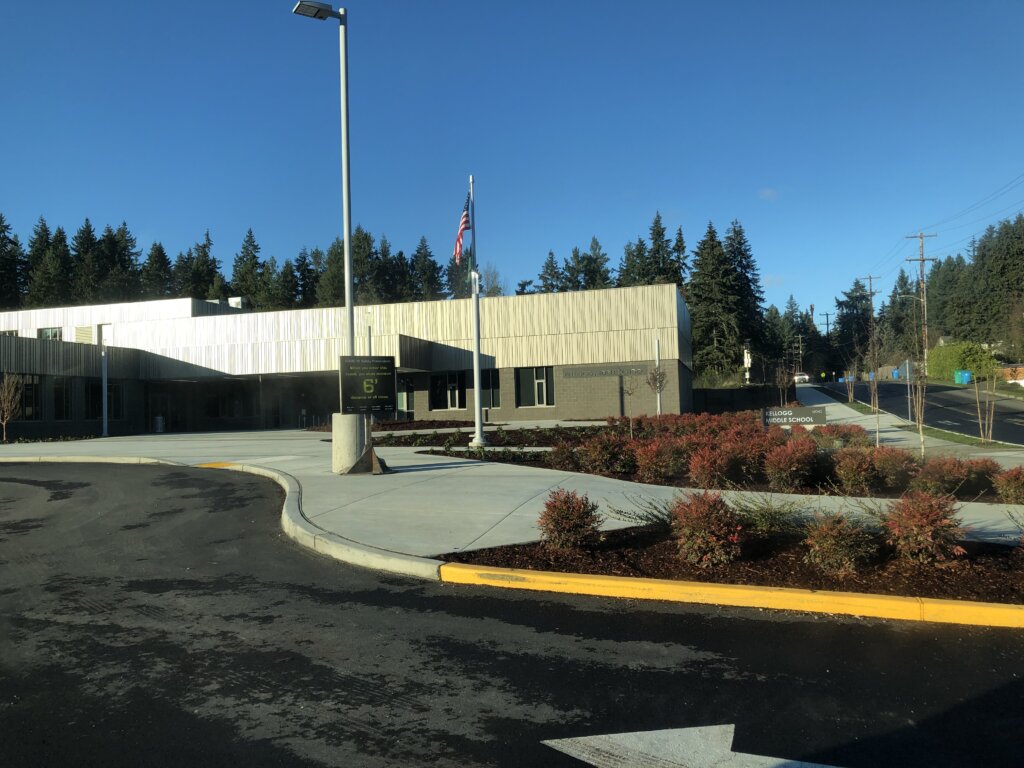
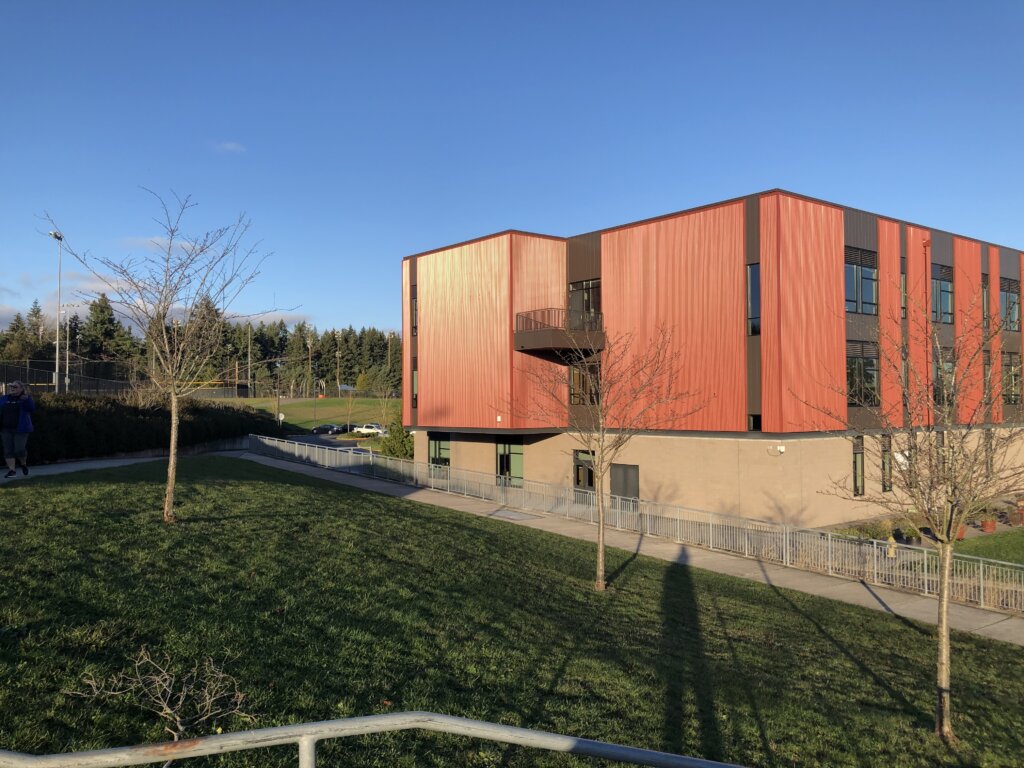
Built 2020/2021.
What Are The Big Employers In Seattle?
Seattle is known as a big tech-hub… sort of a Silicon Valley North. In fact, we get a lot of people relocating here from California.. and they are not always pleased to find our property values have risen nearly as high as theirs…
Below is a list of some of our big employers. But remember, despite the obvious “gorillas” who are the big names, we have a broad and diverse economy. This is a big city with a lot of different employment sectors, and enough diversity to weather the storm well, even if one company has to down-shift due to its falling fortunes.
- Amazon
- Boeing
- Banking
- Hospitals
- Law Firms
- Professional Sports Teams
- Microsoft

If I Come To Town To Visit Seattle Before I Move, What Are Some Fun Things To Do?
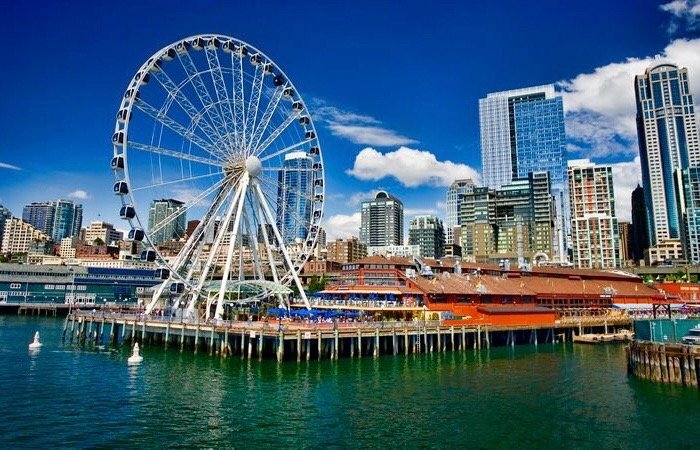
We love having out of town friends, visitors and clients visit us in the Seattle area. There are always lots of parks and hikes to go to, as well as the beach if they are in town with young children who need something laid back. In addition, there is a must-do list of Seattle tourist attractions which visitors can enjoy year-round. A few of my favorites are on the list below.
- Aquarium
- Space Needle
- Pacific Science Center
- Ballard Locks
- Museum of History and Industry
- Greenlake
- The University of Washington
- Pike Place Market
- The Arboretum
- Tour of Underground Seattle
- Discovery Park – Magnolia







Frequently Asked Questions About Moving to Seattle:
If you’re moving to Seattle or thinking about relocating to Seattle, you probably have questions about the cost of living, housing prices, weather, and whether living in Seattle is truly worth it.
This guide answers the most common questions about living in Seattle, so you can make an informed decision before packing up and heading to the Emerald City.
What Salary Do You Need When Moving to Seattle?
One of the first questions people ask when relocating is about the cost of living in Seattle.
Seattle consistently ranks as one of the more expensive cities in the U.S., largely due to housing costs. Whether you’re renting or buying, housing will likely be your largest monthly expense.
Instead of focusing on a specific income number that may quickly become outdated, here’s what to consider:
The Seattle housing market remains competitive in many neighborhoods.
Home prices vary widely between downtown Seattle and surrounding suburbs.
Many lenders approve buyers in the range of 3–4x annual household income, depending on credit, debt, and loan type.
Dual-income households often find more flexibility when buying in Seattle.
If you’re planning to buy, it’s important to speak with a local lender and review current Seattle real estate trends before making assumptions about affordability.
The positive side? Seattle also offers strong earning potential in tech, healthcare, aerospace, maritime industries, education, and biotech — which continues to support housing demand.
Is Seattle Depressing to Live In?
Many people considering living in Seattle ask about the weather — and it’s a fair question.
Seattle’s winters are known for:
Overcast skies
Light rain and drizzle
Shorter daylight hours
Because Seattle sits farther north, winter days are shorter than many parts of the country. Some residents experience Seasonal Affective Disorder (SAD), which is related to reduced sunlight exposure.
However, many people adjust successfully by:
Using light therapy lamps
Getting outside during daylight hours
Staying socially active
Speaking with a healthcare professional about Vitamin D or other options
It’s also important to remember that summers in Seattle are stunning. Long daylight hours, mild temperatures, and low humidity are a major reason many people say the trade-off is worth it.
When asking “Is Seattle a good place to live?” — the weather is part of the equation, but it’s not the whole story.
How Much Money Should You Save Before Moving to Seattle?
If you’re creating a moving to Seattle checklist, budgeting is one of the most important steps.
Your total savings target depends on your housing plans and employment situation.
Housing Costs
If you’re renting, expect upfront costs such as:
First month’s rent
Security deposit
Application fees
Potential pet deposits
Parking fees (common in urban areas)
Many renters relocating to Seattle should prepare several thousand dollars in upfront expenses.
Employment
Ideally, secure employment before relocating to Seattle. The cost of living can add up quickly without steady income.
Furnishings
If you’re starting fresh, furniture and household essentials can significantly increase your moving budget. While secondhand options are available, large items like beds, sofas, and appliances can quickly add up.
Transportation
Washington State sales tax varies by location and can approach 10% in many areas. Be sure to factor that into vehicle purchases. Also consider:
Parking costs
Insurance
Public transportation options
For many middle-income households, having a healthy financial cushion before moving to Seattle is wise. Planning ahead reduces stress and gives you more flexibility when choosing where to live.
Is Moving to Seattle a Good Idea?
Ultimately, whether moving to Seattle is a good idea depends on your priorities.
Why Many People Love Living in Seattle
Strong job market
Access to mountains, water, and outdoor recreation
Thriving food and coffee culture
Highly educated workforce
Diverse neighborhoods with distinct personalities
Seattle offers a rare combination of urban opportunity and natural beauty. You can see mountain views on your commute and reach hiking trails within minutes of the city.
Challenges to Consider
Higher-than-average cost of living
Competitive Seattle housing market
Gray winters
Urban issues common to most major metropolitan areas
Neighborhood choice matters. Living in Seattle can feel very different depending on whether you’re downtown, in a residential neighborhood, or in a surrounding suburb. Doing research — or working with a knowledgeable local real estate professional — can help you identify the right fit.
Some newcomers also mention the “Seattle Freeze,” a term describing social reserve. Building community often requires intention — joining groups, attending events, and engaging in activities you enjoy can make the transition smoother.
What’s The First Step To Take When Considering Relocating?
If you know you’re moving to Seattle or one of the surrounding suburbs — or even if it’s just on your “maybe” list — the best thing you can do is experience it in person.
Every neighborhood here has a completely different vibe. Urban, walkable, waterfront, suburban, tucked into the trees — it’s hard to understand the feel of an area until you see it for yourself.
If you’re still in the research phase, start by exploring my “Moving to Seattle” videos and neighborhood tours on YouTube at HomeProAssociates. I break down what it’s really like to live in different areas so you can narrow your focus before booking a trip.
And yes — we do have a Seattle Relocation Guide to help you get oriented.
It covers:
- Cost of living insights
- Neighborhood overviews
- Housing strategies
- What to expect when relocating
- Practical next steps
If you’d like a copy, just reach out and I’ll send it your way.
Whether you’re six months out or just starting to explore the idea, I’m happy to help you think through your options and build a smart relocation plan.
Let’s make your move intentional — not accidental.
Would you have a relocation guide of sorts?
Yes – We do have a Seattle Relocation Guide to help You Get Oriented.