
New construction homes in Seattle offer modern designs, energy efficiency, and the opportunity to customize features to suit your lifestyle. With the competitive nature of the Seattle real estate market, many buyers are exploring new builds as an alternative to older homes that may require renovations or extensive maintenance. While buying new comes with advantages like builder warranties and lower repair costs, there are also challenges—such as higher upfront pricing and potential construction delays—that buyers should carefully consider.
Before making a decision, it’s essential to understand the pros and cons of newly built homes in Seattle to see if they align with your budget, location preferences, and long-term goals. In this article, we’ll break down the benefits and drawbacks of buying new construction so you can determine if it’s the right investment for you.
This article is part of my Types of Homes You Can Buy in Seattle guide. If you are comparing new construction with other options, you may also want to review buying a single-family home in Seattle , buying a townhouse in Seattle , and buying a condo in Seattle .

The Perks of Buying a Newly Built Home
1. Customization Options
One of the significant advantages of newly built homes is the opportunity to tailor various aspects of the property to your preferences and lifestyle. This customization ensures that your new home reflects your unique tastes and meets your specific needs. However, it’s essential to be aware of potential costs and limitations associated with these customizations.
Personalizing Your Newly Built Home
Builders often offer a range of customization options, including:
- Floor Plans & Layouts: Some builders provide flexible floor plans, allowing you to choose open-concept living areas, additional bedrooms, or even a home office.
- Interior Finishes: Buyers can select cabinetry, countertops, flooring, paint colors, and fixtures to match their personal aesthetic.
- Smart Home & Energy-Efficient Features: Many builders integrate smart thermostats, high-efficiency HVAC systems, and eco-friendly materials to enhance convenience and reduce utility bills.
- Outdoor Spaces: Some new home communities allow buyers to choose patio layouts, landscaping packages, and even fencing options.
Customization After Construction
While most customization occurs during the building phase, some builders may still allow minor modifications even after the home is completed. This could include upgrading appliances, adding built-in storage, or modifying certain fixtures in a Newly Built Home.
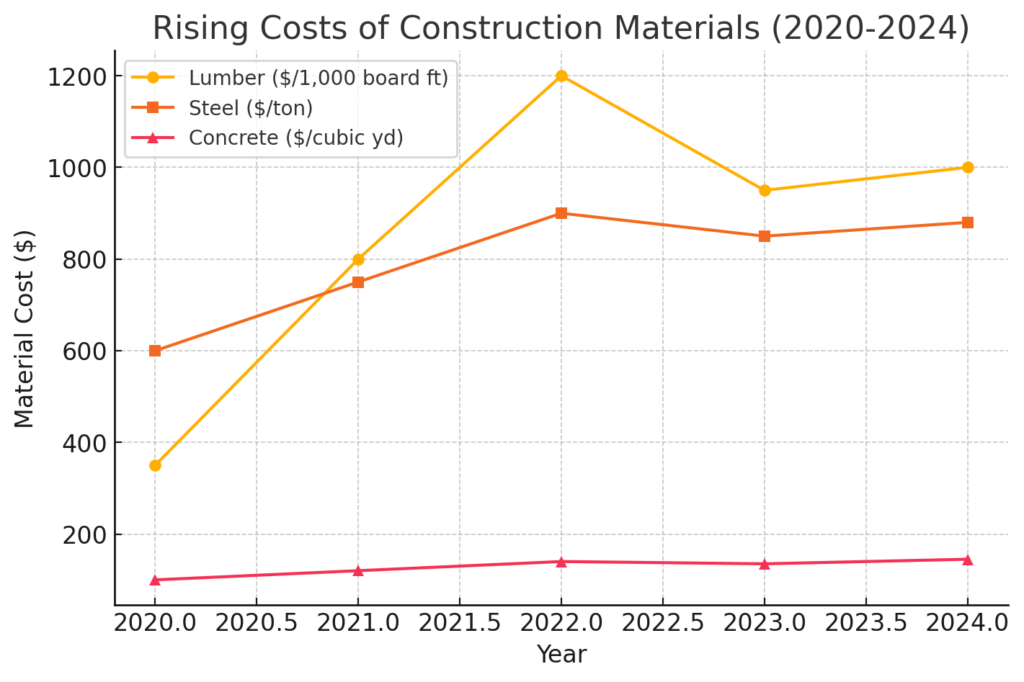
However, it’s important to keep in mind that customizations can increase the total cost of the home. As noted in discussions among homeowners, upgrades and add-ons—along with unforeseen costs like landscaping and fencing—can significantly impact your final price. Additionally, if material prices fluctuate due to inflation or supply chain disruptions, builders may adjust pricing accordingly, making it essential for buyers to carefully budget when purchasing a Newly Built Home in Seattle.
2. Less Maintenance and Fewer Repairs
Investing in a newly built home in Seattle offers significant advantages in terms of reduced maintenance and repair costs. With all systems, appliances, and structural components being brand new, homeowners can expect fewer issues in the initial years of ownership.
Lower Maintenance Costs
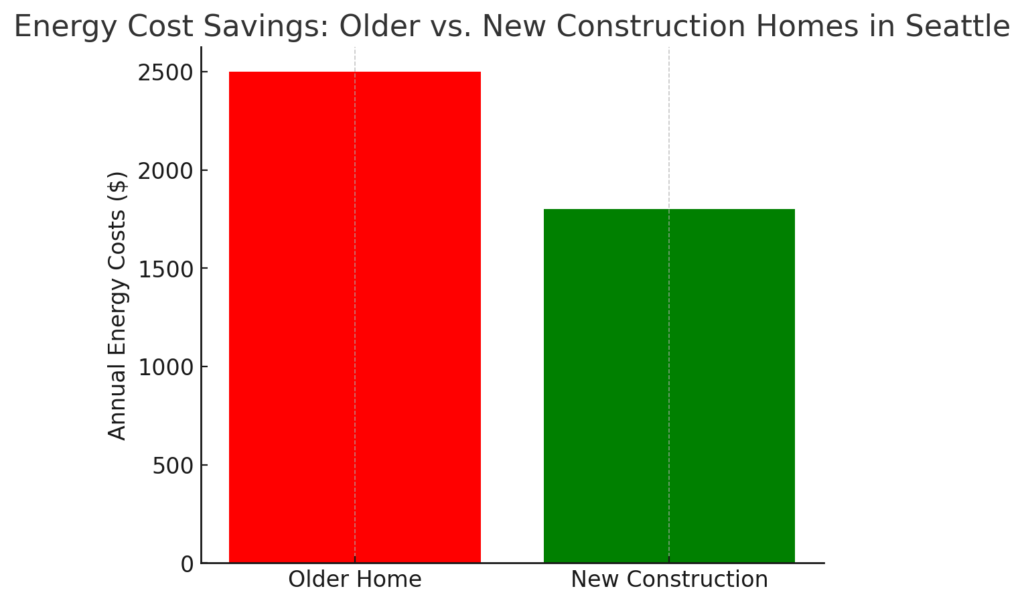
New construction homes are designed to meet current building codes and often include modern materials and technologies that enhance durability and efficiency. This means that, compared to older homes, newly built homes typically require less upkeep, leading to cost savings over time.
Builder Warranties in Washington State
Builder warranties in Washington State vary significantly depending on the property type and specific project. While some sources reference a general framework of one-year, two-year, and six-year coverage, this structure doesn’t uniformly apply across all new construction.
Washington’s statutory warranty protections differ notably for condominiums and common-interest communities compared to single-family homes. For condominiums in particular, state law provides specific implied warranty protections, and these requirements have been modified in recent years, including changes affecting small condominiums in 2025 and 2026.
Rather than assuming a standard warranty structure, homebuyers should carefully review the specific written warranty provided by the builder. This document will outline what defects are covered, timeframes for claims, and any exclusions that may apply to your particular property type. Buyers should also understand what warranty protections apply to their specific situation, as condominiums and common-interest communities may have additional statutory protections beyond the builder’s written warranty.
Seattle’s Climate Considerations
Seattle’s mild, maritime climate contributes to the longevity of home components. The absence of extreme temperatures reduces the stress on building materials, potentially lowering maintenance needs. However, the region’s rainfall necessitates regular upkeep of gutters and roofs to prevent moisture-related issues.
3. Eco-Friendly and Energy-Efficient Features
Investing in a new construction homes in Seattle offers significant advantages in terms of eco-friendliness and energy efficiency. Modern construction practices in the city prioritize sustainable materials, advanced technologies, and designs that reduce environmental impact while enhancing homeowner comfort.
Sustainable Building Practices in Seattle
Seattle’s commitment to sustainability is evident through various initiatives and building standards:
- Green Building Standards: New constructions and major renovations of 5,000 square feet or more are required to meet LEED Gold certification. This includes key performance requirements for energy and water efficiency, waste diversion, and bicycle facilities.
- Innovative Projects: The Bullitt Center, located in Seattle, is considered one of the greenest commercial buildings globally. It serves as a model for sustainable architecture, featuring net-positive energy usage through on-site renewable energy generation and advanced energy conservation measures.
Energy-Efficient Features in New Seattle Homes
Modern homes in Seattle are designed with energy efficiency at the forefront:
- High-Performance HVAC Systems: Builders are incorporating energy-efficient heating and cooling systems that consume less energy, operate quietly, and improve indoor air quality.
- Smart Home Technologies: Features such as smart thermostats, lighting, and security systems are increasingly sought after by Seattle homebuyers. These technologies allow homeowners to monitor and reduce energy consumption effectively.
- Solar Energy Integration: With rising utility costs, Seattle homeowners are turning to solar panels to generate their own electricity. This not only reduces reliance on the grid but also appeals to eco-conscious buyers, potentially increasing property value.
Local Incentives and Programs
Seattle City Light offers programs to help homeowners and renters save energy and money:
- Home Energy Solutions: Initiatives include rebates for energy-efficient appliances and guidance on reducing energy consumption, contributing to both environmental conservation and cost savings.
By choosing a newly built home in Seattle, homeowners can benefit from cutting-edge eco-friendly and energy-efficient features, aligning with the city’s dedication to sustainability and environmental stewardship.
4. Builder Incentives Can Make Buying More Affordable
Builder incentives in Seattle vary considerably depending on market conditions, property type, specific community, and timing. While builders may offer incentives to attract buyers, the types and values of these incentives fluctuate based on inventory levels, demand, and interest rates.
Types of Incentives Builders May Offer
Builders in the Seattle area have historically offered various incentive types, though availability and terms differ by project:
- Interest Rate Reductions: Some builders work with preferred lenders and may offer options related to financing, though these structures and benefits vary.
- Closing Cost Assistance: Builders may contribute toward closing costs, though the amount and what fees are covered depend on the specific builder and current market conditions.
- Upgrades or Options: Some builders offer upgrades or allowances toward selections, but these are negotiated on a project-by-project basis.
Verifying Current Incentives
Because incentive offerings change frequently based on market conditions, the best way to find current promotions is to consult directly with builders in communities you’re interested in. Real estate agents familiar with the new construction market can also help identify which builders are actively offering incentives.
Negotiation Opportunities
Beyond advertised incentives, buyers may have room to negotiate on other terms:
- HOA Fees and Other Costs: Depending on the community structure, there may be opportunities to discuss initial HOA fees or other recurring costs.
- Warranty Terms and Coverage: Discussing warranty options and coverage terms may also be negotiable depending on the builder and property type.
Because incentive structures, eligibility requirements, and availability change based on market conditions, it’s essential to work with your real estate agent and communicate directly with builders for the most current and accurate information about what’s available for your specific situation.
Negotiating Additional Incentives
Beyond advertised promotions, buyers can negotiate further incentives:
- Homeowners Association (HOA) Fees: Requesting the builder to cover initial HOA fees can result in substantial savings.
- Extended Warranties: Negotiating for longer or more comprehensive builder warranties can provide added peace of mind regarding potential future repairs. HomeLight
Builder incentives play a pivotal role in enhancing the affordability of new construction homes in Seattle. By leveraging these offers and engaging in strategic negotiations, buyers can secure favorable terms that align with their financial goals.
Other Considerations When Buying New Construction Homes
1. Longer Timelines and Construction Delays
When considering the purchase of a newly built home in Seattle, it’s essential to understand that the construction process can be lengthy and subject to various delays. Several factors contribute to extended timelines in the Seattle area:
Average Construction Timelines
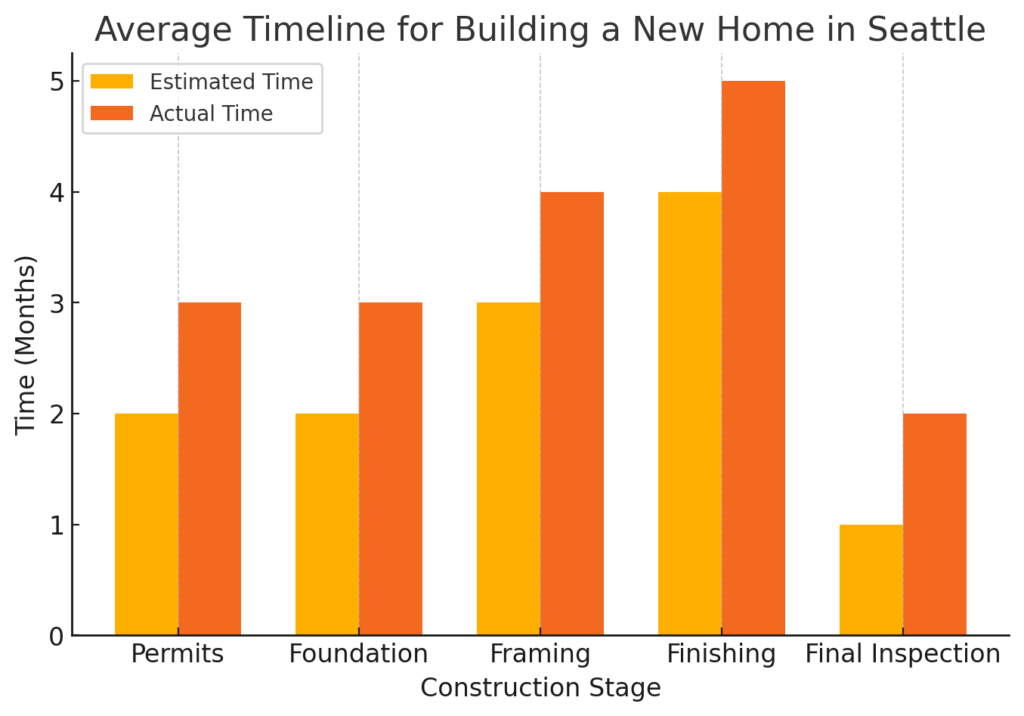
New construction homes in Washington State typically takes between 6 to 12 months, depending on factors such as the complexity of the design, weather conditions, and the availability of materials and labor. However, in Seattle, these timelines can be extended due to additional local challenges.
Permitting Delays
The permitting process in Seattle has experienced significant backlogs. For instance, the Seattle Department of Construction & Inspections reported a temporary permit review backlog due to an unusually high number of applications submitted before the 2021 Building Codes became effective in November 2024. This backlog has resulted in permit review times taking up to four weeks longer than normal. Additionally, some builders have reported that obtaining permits can take up to two years, depending on the project’s complexity and compliance with local regulations.
Supply Chain Disruptions
Global supply chain issues have impacted the availability of construction materials, leading to delays in the building process. These disruptions can extend the overall timeline for completing new construction homes in Seattle.
Labor Shortages
The construction industry in Seattle has faced labor shortages, which can slow down the building process and extend completion timelines.
Weather Conditions
Seattle’s weather, characterized by frequent rain, can also impact construction schedules. Wet conditions may cause delays in certain phases of construction, such as foundation work and framing.
Impact on Homebuyers
Extended construction timelines can affect homebuyers in several ways:
- Delayed Move-In Dates: Longer construction periods mean buyers may have to wait months or even years before moving into their new homes.
- Financial Implications: Prolonged timelines can lead to increased costs, such as extended temporary housing arrangements and potential changes in interest rates affecting mortgage terms.
- Planning Challenges: Uncertainty around completion dates can make it difficult for buyers to coordinate moving logistics, school enrollments, and job relocations.
Mitigating Delays
To navigate potential delays, consider the following strategies:
- Thorough Planning: Engage with builders early to establish realistic timelines and understand potential challenges.
- Regular Communication: Maintain open lines of communication with builders and contractors to stay informed about progress and any emerging issues.
- Flexible Arrangements: Prepare for possible delays by having contingency plans for temporary housing or flexible lease agreements.
Understanding the potential for longer timelines and construction delays is crucial when considering a newly built home in Seattle. By staying informed and proactive, you can better navigate the complexities of the homebuilding process in this dynamic market.

2. Potential Price Changes and Budget Overruns
Purchasing a newly built home in Seattle can present challenges related to price fluctuations and budget overruns. Several factors contribute to these financial uncertainties:
Escalation Clauses in Construction Contracts
To mitigate risks associated with rising costs, builders may include escalation clauses in their contracts. These clauses allow for adjustments in the contract price based on increases in material or labor costs during construction. For example, a builder might stipulate that if framing cannot commence within six months due to market shortages or inflation, the price could increase by 4%, with additional monthly increments thereafter. Such clauses are becoming more common in response to market volatility.
Strategies to Mitigate Budget Overruns
- Fixed-Price Contracts: Opting for fixed-price contracts can provide cost certainty, as the builder agrees to a set price regardless of market fluctuations.
- Contingency Funds: Allocating a contingency fund (typically 10-15% of the project budget) can cover unexpected expenses without derailing the overall budget.
- Thorough Planning: Engaging in detailed planning and selecting materials early can reduce the likelihood of mid-project changes that could increase costs.
Understanding these potential financial challenges is crucial for prospective homeowners in Seattle’s dynamic housing market. By proactively addressing these factors, buyers can better navigate the complexities of purchasing a newly built home.
3. Unfinished Communities
When purchasing a newly built home in Seattle, buyers should consider whether the surrounding community is fully developed or still under construction. Unfinished communities can present unique challenges, impacting livability, home values, and long-term investment potential. Living in a neighborhood that is still being built often means dealing with construction disruptions, such as noise, dust, and road closures, which can make daily life inconvenient. Additionally, infrastructure like sidewalks, parks, and community amenities may take years to materialize, and in some cases, they may never be completed if the project stalls.
Another key concern with unfinished communities is their effect on property values. Homes in fully completed neighborhoods tend to appreciate faster than those in developments still in progress. If the completion timeline extends longer than expected, homebuyers might find themselves in a less desirable living environment with slower property value growth. It’s also important to consider that some developments experience significant delays due to permitting issues, financial setbacks, or changes in market conditions, meaning buyers may not get the fully realized community they envisioned when they purchased their home.
To protect yourself when buying in a new community, it’s essential to research the builder’s track record and investigate their past projects to see if they were completed on time. Understanding what phase your home is in and when surrounding infrastructure—such as roads, sidewalks, and public spaces—will be finished can help set realistic expectations. Buyers should also ask about any commitments made by the homeowners’ association (HOA) or developer regarding the timeline for delivering promised amenities. Checking with Seattle’s city planning department can provide insight into potential delays in infrastructure development, as the permitting process in the area can be complex and time-consuming.
While new construction homes in Seattle offer modern features and energy efficiency, buying in an unfinished community requires careful consideration. Ensuring that a development has clear, realistic completion timelines can help buyers avoid long-term inconveniences and maximize their investment.
Bottomline

Buying new construction homes in Seattle can be a great option for those looking for modern designs, energy efficiency, and low-maintenance living. With customization opportunities and builder incentives, new construction homes offer a level of convenience that many buyers appreciate. However, it’s also important to be aware of potential challenges, such as construction delays, price fluctuations, and the risks associated with purchasing in an unfinished community.
Making an informed decision means researching builders, understanding contract terms, and evaluating long-term development plans. A knowledgeable real estate professional can help you navigate these complexities and ensure you’re making the best financial choice for your future.
I’m Emily Cressey with HomePro Associates, and I specialize in helping buyers navigate the real estate market with confidence. Whether you’re ready to buy now or simply exploring your options, I’m here to guide you through the process and help you make the best decision for your situation.
📞 Call me at 206-245-8813 to schedule a consultation and get a professional analysis of your home-buying options.
For more real estate market updates, home tours, and expert home-buying tips, be sure to check out our YouTube channel! Let’s connect and start planning your next move!