
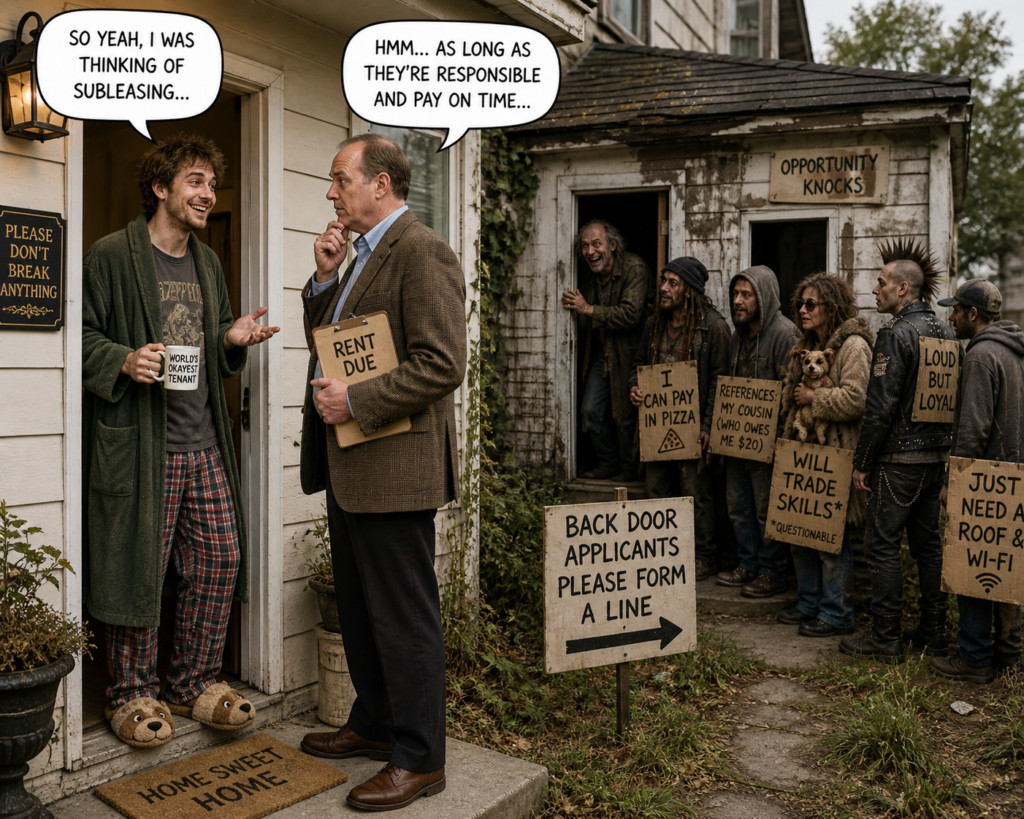
Picture this: you get a call from your tenant, and they want to sublet your Seattle rental to a college student for the summer while they travel. Or maybe a coworker. Or worse: they’ve already let someone move in without telling you.
What do you do?
Whether you’re hearing this request for the first time or dealing with an unauthorized occupant already in your property, this guide will walk you through exactly what Washington State law says, what your options are, and how to protect yourself as a landlord in Seattle’s notoriously tenant-friendly legal environment.
First: What Does Washington State Law Actually Say About Subletting?
Here’s the important starting point that many landlords don’t know: Washington State has no explicit subletting law. That means your lease agreement is what controls.
Here’s how it breaks down:
- If your lease prohibits subletting: Your tenant needs your written permission to proceed, and you can decline — but you must have a legitimate business reason. Washington courts have ruled that landlords cannot reject a subtenant arbitrarily or for discriminatory reasons.
- If your lease allows subletting: Your tenant can sublet with your written consent, which you may still require under the lease terms.
- If your lease is silent on subletting: In Washington, this generally means subletting is permitted by default. Update your lease language at the next renewal to address this going forward.
- If you don’t respond to a written sublease request: Silence can be interpreted as approval. Always respond in writing.
This is one of the most important things Seattle landlords get wrong: assuming a verbal “no” is enough, or assuming that if the lease doesn’t mention subletting, it’s automatically prohibited. Neither is true in Washington State.
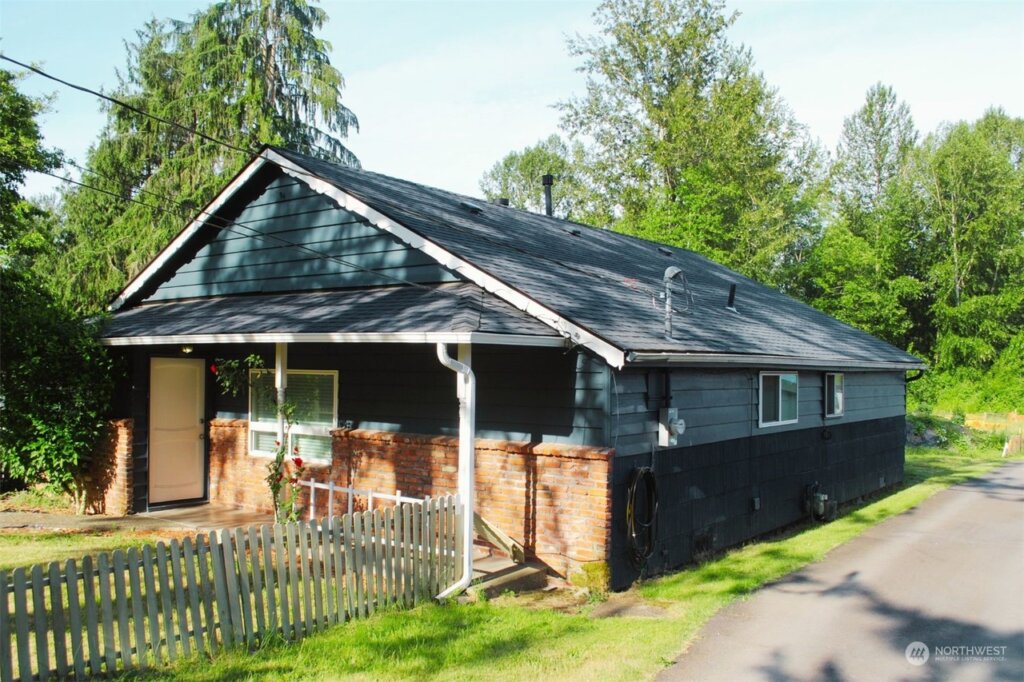

When I got started as a landlord at age 23, I had some tricky tenants and some good ones. Sometimes I think the devious ones are drawn to Mom & Pop landlords who may not adhere as well to the “fees and rules” of a professional management company.
What Is Subletting? And What Types Should You Be Aware Of?
Subletting means your tenant (the master tenant) lets someone else move into your property and pays rent to your tenant, while your tenant remains responsible to you under the original lease.
In Seattle, this shows up in several different forms:
Roommates and Informal Additions
Someone moves in with the existing tenant and pays them rent, but is not on your lease. This is extremely common and often goes undisclosed until there is a problem.
Summer Sublets
College students frequently sign a 12-month lease and then sublet during the summer to travelers, interns, or short-term residents while they go home or travel.
Airbnb and Short-Term Rental Arbitrage
Some tenants rent your unit at a monthly rate and then list it on Airbnb or VRBO at a higher nightly rate, essentially running a business out of your property. Important Seattle note: Seattle’s short-term rental regulations require that the host occupy the unit as their primary residence. If your tenant is subletting to short-term travelers and not living there themselves, this likely violates Seattle’s STR ordinance and possibly your lease. Address this explicitly in your rental agreement.
Informal Lease Takeovers
A tenant who can no longer afford the unit lets a friend or family member take over payments without notifying you. This is common in tight rental markets like Seattle and can create serious legal complications — especially if the new occupant has been there long enough to establish tenancy rights.
Master Lease Agreements
A real estate investor or property management company leases your entire building and subleases individual units. Done well, this can be a great arrangement. Done poorly, it’s a nightmare. More on both outcomes below.
A Cautionary Tale: When Subletting Goes Very Wrong
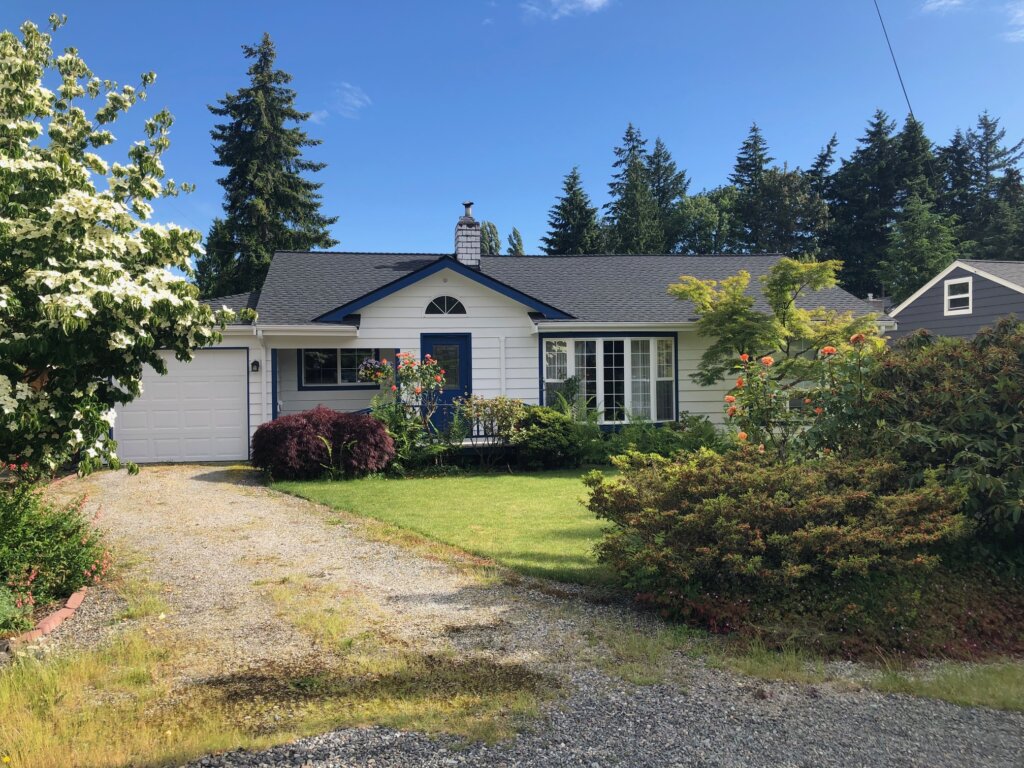
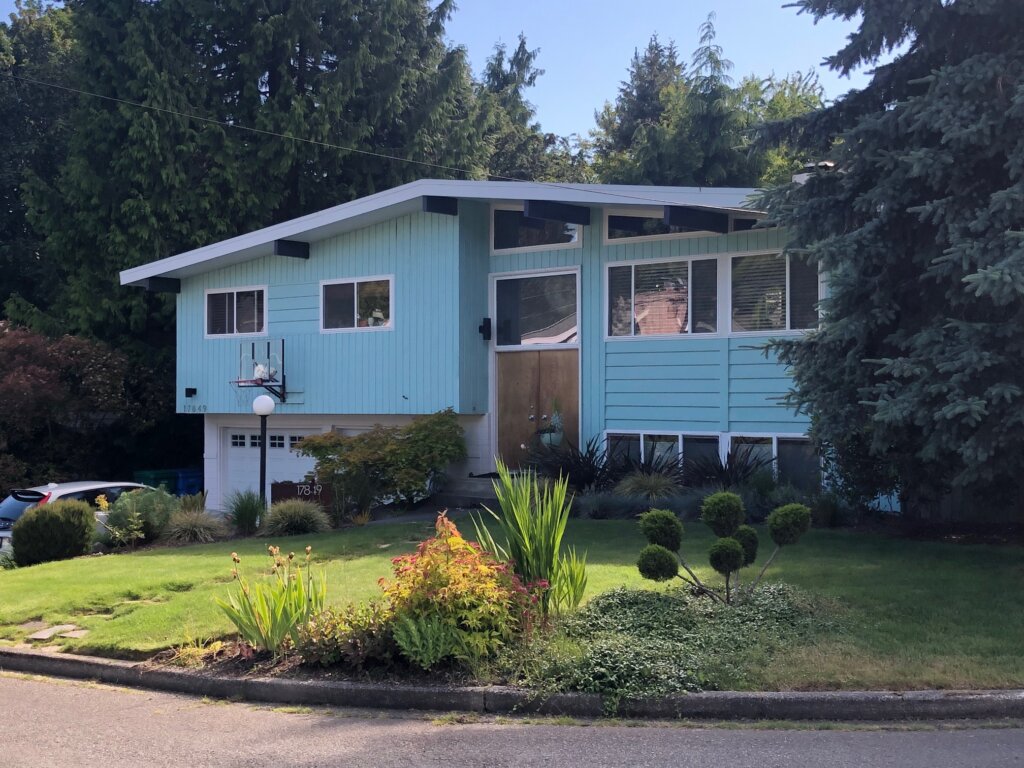
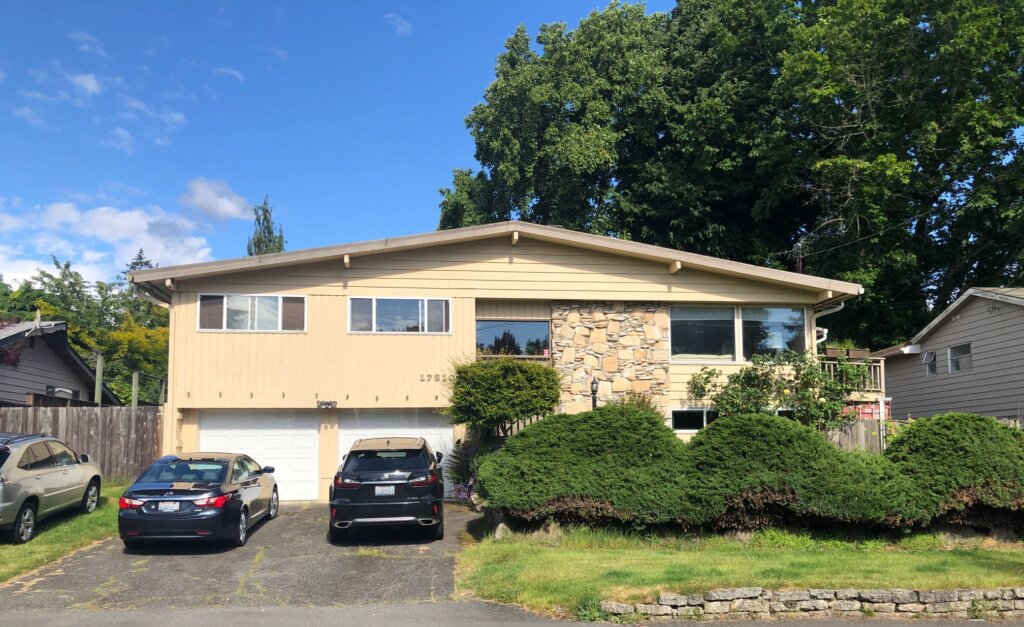
A potential client once shared a story about her triplex in South Seattle. A single company had leased the whole building, promising her hassle-free income and no management headaches. It sounded ideal.
It wasn’t. The company was using the building as cover for a human trafficking operation, moving in vulnerable people and collecting money from them. Getting law enforcement involved and clearing the building was a traumatic, months-long ordeal that no landlord should ever have to go through.
Subletting means giving up control over who lives in your property. That can be a HUGE problem.
A Success Story: The Master Lease Done Right
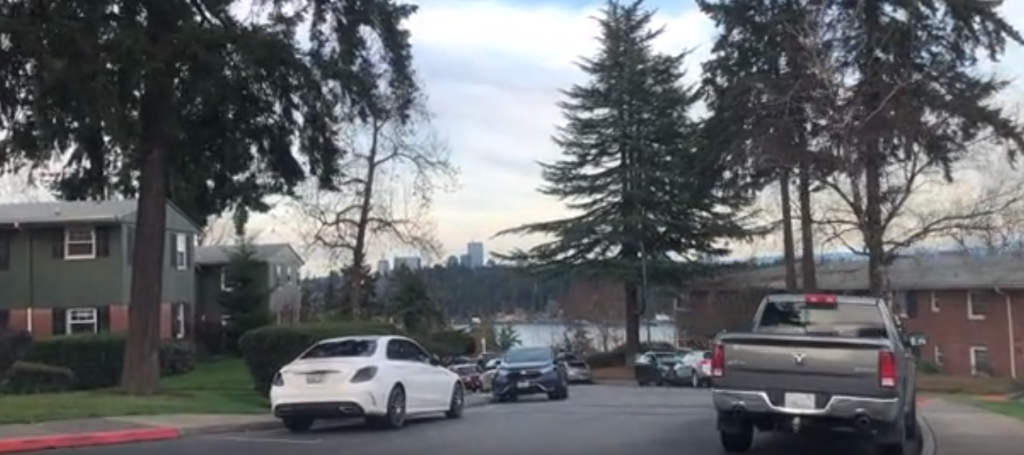
On the other end of the spectrum: I know of a situation where an elderly woman owned a 24-unit apartment building in Seattle. She was too old to manage it, but didn’t want to sell — she would have owed substantial capital gains taxes and lost her monthly income stream.
She worked with a trusted real estate investor who structured a master lease for the entire building. He agreed to pay her the same amount she was already making, for as long as she lived. He had the option to purchase the building upon her death, giving her heirs a clean, easy sale rather than an inherited management headache.
He improved the property, raised rents, and brought in better tenants. She got her monthly check and enjoyed her retirement. It worked out beautifully for both of them.
The difference between these two outcomes comes down to: who are you dealing with, and how ironclad are your agreements?
Wondering if it might be time to sell your rental instead of continuing to manage it? Watch this first:

The Critical Legal Point Most Seattle Landlords Miss: Who Can Actually Evict a Subtenant?
The Critical Legal Point Most Seattle Landlords Miss: Who Can Actually Evict a Subtenant?
Here’s something that surprises many landlords: in Washington State, you generally cannot directly evict a subtenant. The subtenant’s legal relationship is with your tenant, not with you. Only the original tenant can initiate eviction proceedings against a subtenant.
As a landlord, your remedy is to pursue the original tenant for a lease violation (such as unauthorized subletting), and the subtenant must then vacate when the original tenant’s lease is terminated. This makes unauthorized subletting situations legally complicated — especially in Seattle, where the Just Cause Eviction Ordinance requires specific documented grounds for any eviction action.
The moment you discover an unauthorized occupant: document everything in writing, notify your tenant in writing that this is a lease violation, and consult a landlord-tenant attorney before taking any further action. Do not attempt to remove anyone yourself.
Step-By-Step: What To Do When Your Tenant Asks to Sublease
Step 1: Check Your Lease
What does it say about subletting? Prohibited, allowed with consent, or silent? If it’s silent, treat it as permitted by default under Washington law and proceed accordingly. If your current lease doesn’t address subletting at all, update it at the next renewal — this is one of the most important clauses a Seattle landlord can have.
Step 2: Get the Request in Writing
If your tenant asks verbally, ask them to submit the request in writing, including the proposed subtenant’s name, the intended start and end dates, and the reason for the request. Do not leave silence on either side. Respond in writing within a reasonable time. If you don’t respond, Washington courts may interpret your silence as approval.
Step 3: Screen the Proposed Subtenant
You have the right to screen the subtenant using the same criteria you would use for any new tenant: credit, background, income verification, and rental history. You can require this as a condition of your approval. You can deny based on legitimate business reasons (low credit score, insufficient income, prior evictions), but not for discriminatory reasons under Fair Housing law.
A simple screening tool like TurboTenant can help your tenant handle the screening process properly on their end.
Step 4: Decide Whether to Approve or Offer an Alternative
Before you say yes, consider whether it’s better to approve the sublease or to negotiate a clean lease termination with the original tenant and re-screen a new tenant yourself. In a strong Seattle rental market, the latter usually puts you in a stronger position. You get a fresh lease, a full screening, fresh security deposit paperwork, and none of the layered accountability issues that come with subletting.
Step 5: If You Approve, Get a Written Sublease Agreement in Place
The sublease agreement should cover:
- Who pays rent, and to whom (directly to you, or to the master tenant)
- Who holds the security deposit and under what conditions it is returned
- Utilities responsibilities
- Property rules that apply to the subtenant (no smoking, no pets, noise, etc.)
- What happens if the subtenant doesn’t pay rent
- How disputes between the tenant and subtenant get resolved
- Exact start and end dates of the sublease
Washington State recognizes verbal leases, but they are extremely difficult to enforce and almost always lead to “he said, she said” disputes. Get every detail in writing before anyone moves in.
If your tenant is advertising for a subtenant, make sure they understand Fair Housing rules — because if they violate them, it could land on you.
Step 6: Confirm Your Original Tenant’s Ongoing Responsibility, In Writing
Make sure your original tenant understands, in writing, that they remain fully responsible to you for rent, property maintenance, and every other lease obligation, regardless of what their subtenant does or doesn’t do. If the subtenant stops paying the original tenant, the original tenant still owes you rent. If the subtenant damages the property, the original tenant’s security deposit is the first line of financial defense. Put this in your sublease approval letter, and make sure they sign it.
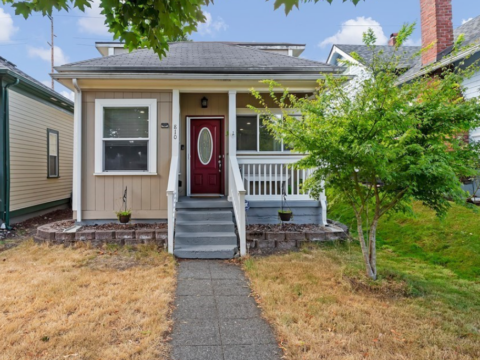 Pending
- $416,000
- 3 bd
- 1 ba
- 1070 sqft
3-Bed Home with Bonus Room & Detached Shop in Tacoma, WA
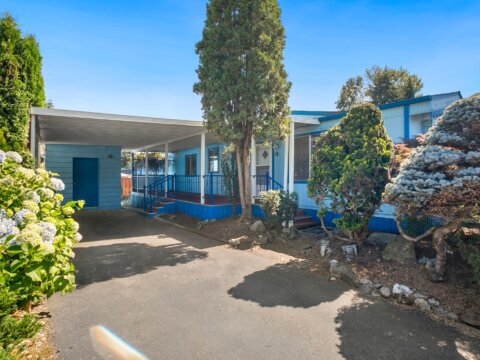
- $69,900
- 2 bd
- 1 ba
- 730 sqft
2-Bedroom Manufactured Home at The Pointe at Lockwood, Bothell WA
 Pending
- $1,000,000
- 3 bd
- 3 ba
- 2000 sqft
Fully Remodeled Home with Sunset Views in Woodinville Wine Country
Seattle-Specific Rules Every Landlord Needs to Know
Seattle’s Just Cause Eviction Ordinance
Seattle landlords must have a specific, documented reason to evict a tenant. Unauthorized subletting can be a valid Just Cause ground — but only if you have clear written records showing you did not consent and that the subtenant is living there without authorization. Keep written records of every communication from the moment you discover an issue.
Rental Registration and Inspection Ordinance (RRIO)
Seattle requires landlords to register rental properties with the city. Subletting situations that significantly change how a property is used or occupied — such as switching from long-term to short-term rental — may affect your RRIO compliance. When in doubt, check with the Seattle Department of Construction and Inspections.
Short-Term Rental Regulations
Seattle requires STR hosts to register with the city and to occupy the unit as their primary residence. If your tenant is running an Airbnb operation without living there themselves, they are violating Seattle’s STR ordinance — not just your lease. This is an increasingly common situation in Seattle’s tight rental market, and it’s worth addressing explicitly in any lease you write.
Fair Housing Laws
Whether you’re screening a subtenant or a new direct tenant, Federal and Washington State Fair Housing laws apply. You cannot reject a subtenant based on race, color, national origin, religion, sex, familial status, disability, sexual orientation, gender identity, or other protected classes. Screen consistently and document your reasoning.
Washington’s Rent Control Landscape
Washington State has seen active rent control discussions at both the state and local level. This affects how landlords price units and how tenants (and subtenants) approach lease agreements. If you’re managing rentals in Seattle, staying current on evolving legislation matters.
Seattle landlords: here’s what you need to know about Washington’s rent control landscape…
Frequently Asked Questions: Subletting in Seattle
Can a tenant sublet without my permission in Washington State?
It depends on your lease. If your lease prohibits subletting, the tenant needs your written consent to proceed. If the lease is silent on subletting, Washington law generally treats it as permitted by default. This is exactly why having clear subletting language in your lease matters so much.
Can I say no to a subletting request in Seattle?
Yes, but you need a legitimate business reason — such as the proposed subtenant failing your credit or income screening. You cannot reject a subtenant arbitrarily or for discriminatory reasons under Fair Housing law. If you reject a sublease request, document your reason in writing.
What if my tenant sublets without telling me?
Document the unauthorized occupancy in writing immediately. Send your original tenant written notice that this is a lease violation. Consult a landlord-tenant attorney before taking any further steps. Seattle’s Just Cause Eviction rules require a careful, documented process — do not attempt to remove anyone without following proper legal procedure.
Can I evict the subtenant directly?
Generally not in Washington. The subtenant’s legal relationship is with your tenant, not with you. Your typical remedy is to pursue the original tenant for a lease violation, after which the subtenant must also vacate. Consult a Washington State landlord-tenant attorney for advice specific to your situation.
What happens if my tenant stops paying rent because their subtenant didn’t pay them?
That is your tenant’s problem, not yours. The original tenant remains fully responsible to you under the original lease, regardless of what their subtenant does or doesn’t do. If your tenant doesn’t pay you, you have grounds to pursue them for unpaid rent or to begin eviction proceedings under Seattle’s Just Cause Eviction Ordinance.
Should I allow subletting at all?
In most cases, especially in a strong Seattle rental market, I would not. The better approach when a reliable tenant needs to vacate early is to negotiate a clean lease termination, then re-screen a new tenant yourself. You get a fresh lease, a full screening, and none of the layered accountability issues that come with subletting.
What if the tenant is already listing the unit on Airbnb?
This is almost certainly a lease violation in your standard rental agreement, and it likely violates Seattle’s Short-Term Rental ordinance if the tenant is not occupying the unit as their primary residence. Document everything, send written notice of the lease violation, and consult an attorney about your enforcement options.
What are the roommate rules under Seattle law?
Under Seattle’s Renter’s Handbook, your existing tenant may add certain people to the lease, including immediate family, one additional non-family roommate, and immediate family of that roommate, and any others you agree to — provided occupancy doesn’t exceed legal limits. However, you have the right to screen roommates and charge a screening fee. Be aware: if you need to evict a roommate, the process can affect the original tenant’s occupancy rights as well. Get legal advice before acting.

The Bottom Line for Seattle-Area Landlords
A sublease request is not automatically a crisis — but it does require a clear, documented response and a solid understanding of where your legal exposure lies. Washington’s lack of an explicit subletting law means your lease language does the heavy lifting. Seattle’s tenant-protective ordinances mean you need to be especially careful about how you handle any disputes that arise.
If you’re managing a rental property with tenants in the Seattle area and want a second set of eyes on your situation — or if you’re wondering whether it might be time to sell your Seattle rental property rather than continue managing it — I’m happy to talk through your options honestly.
I’ve been a landlord and real estate investor in the Greater Seattle area since 2002. I’ve seen these situations play out in a lot of different ways, and I know the difference between a manageable subletting situation and one that’s heading toward a serious problem. Let’s figure out which one you’re looking at.
Emily Cressey | HomePro Associates
Call or text: 206-245-8813
Schedule a free consultation
A note on legal advice: This article reflects general information about Washington State landlord-tenant law as of 2025 and is intended for educational purposes only. Laws change, and every situation is different. For advice specific to your circumstances, please consult a licensed Washington State landlord-tenant attorney.
Learn more about how to handle a sub-lease in Seattle! Contact us today! (206) 578-3438
How Can We Help You?
We would love to hear from you! Please fill out this form and we will get in touch with you shortly.


Related Reading
- How to Sell a Rental Property with Tenants in Seattle
- Who Should Consider a Fast Cash Sale to an Investor
- How to Deal with Bad Tenants in Seattle, WA
- Thinking About Selling Your Seattle Rental Property?