

Retiring Near Family in Seattle
Retiring Near Your Kids and Grandkids in Seattle: Buying a Home Here
By Emily Cressey, Broker, HomePro Associates at Keller Williams Greater Seattle. Updated October 2026.
You raised your family somewhere else, and now the people you most want to be near live around Seattle. Maybe it is a grandchild you only see on a screen, maybe a daughter who needs a hand, maybe you simply want to be at the dinner table more than twice a year.
Buying here is a big move, and Seattle is not a cheap place to land. I am a Seattle-area broker who grew up in Shoreline, and my own parents still live in the house I was born into, a few minutes from me. I know what it is worth to be close, and I want to help you do it without stumbling on the details.

Who This Page Is For
I wrote this for people who recognize themselves in one of these situations:
- You are retired or about to retire and want to live near adult children or grandchildren in the Seattle area.
- You are selling a home in another state and need to buy here without a gap in the middle.
- You want a smaller, easier house or condo, but you do not want to give up your independence.
- You are thinking about sharing a property with family, such as a home with a separate unit.
- You have never bought in a market this expensive and want to understand what your money will and will not get you.
If you also have a home to sell where you live now, you may want my Seattle downsizing guide, which covers the selling side. This page is about the buying side.
Choosing Where to Live Near Your Family
Start with a simple question: how often do you want to be able to show up? Weekly school pickups are a different decision than Sunday dinners. Drive times in this region swing wildly with traffic, so I always ask people to test the drive between their family and a short list of neighborhoods at the hours they would actually make it.
Close Enough to Help, Close Enough to Be Left Alone
Many people choose a spot ten to twenty minutes from their kids rather than on the next block. You get easy visits and still have your own life. In the north end I work in Shoreline, Lake Forest Park, Kenmore, Bothell and Lynnwood, and you can read about the day-to-day feel of several of them in my local guides, including Kenmore, Edmonds and Kirkland.
Hills, Stairs and Rain
Seattle is hilly, and many older homes have a steep driveway or a flight of stairs just to reach the front door. That is fine at 62 and much less fine at 82. When we tour, I look at the path from the car to the door, whether there is a bedroom and full bath on the main floor, and how the home handles a long gray winter.
Things You Can Check Before You Fall in Love
Walkable errands, a pharmacy and a doctor within a reasonable drive, bus or light rail access if you might one day stop driving, and a yard you can actually keep up. I would rather you check these on a rainy Tuesday than discover them after closing.
The Types of Homes That Work Well for Retirees
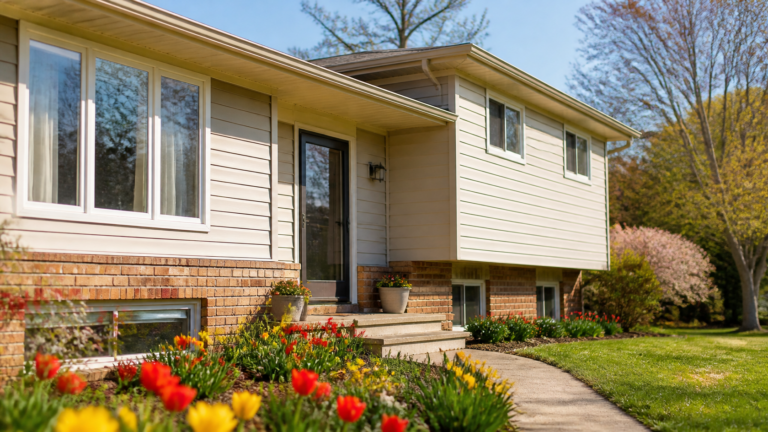
There is no single right answer, and the right one for you depends on your health, your budget and how involved your family will be. These are the options I see most often. My overview of the types of homes in Seattle goes deeper.
One-Story Houses
A rambler or one-level home is the favorite for good reason: no stairs, easy to age in, and usually a yard. The trade-off is that they are in demand and often priced to match.
Condos and Townhomes
Lower maintenance and often easier to lock and leave if you travel. The key is reading the HOA documents closely: reserve funds, special assessments, rental caps and pet rules all affect what you will pay and how you can live. I will help you review them before you commit.
A Home With a Separate Unit
Some families buy a house with an accessory unit so a parent can live close but separate, or so rental income helps carry the cost. Rules about accessory units vary by city and by lot, so check zoning with the city before you count on one, and ask me to help you verify what a seller is calling a legal unit.
Paying for It: Selling Where You Are and Buying Here
For most people, the home you are leaving pays for the one you are buying. The order matters.
- Sell first, then buy: cleaner and lower risk, but you may need to rent or stay with family for a stretch.
- Buy first, then sell: you can shop at your own pace, but you carry two homes for a while, and it works best with cash or flexible financing.
- Make an offer contingent on your sale: some sellers accept this, but in a competitive market it makes your offer weaker.
I would rather you decide this with a lender and a tax professional before we write an offer. If you have owned your current home a long time, ask your CPA how the federal home sale exclusion applies to you. The IRS explains the basics in Topic 701, Sale of Your Home. I am not a tax or legal advisor, and I will tell you when a question belongs with one.
Washington Costs Worth Knowing About
Washington has no state income tax on wages, but that does not mean no taxes. Three things come up often with people moving here to retire:
- Property taxes: King County offers exemptions and deferrals for qualifying seniors and people with disabilities, based on age and income. The county explains who qualifies and how to apply on its senior and disabled exemption page.
- Estate tax: Washington has its own estate tax with an exclusion amount that changes. The state publishes the current figure each year in its Department of Revenue exclusion amount notice, and an estate planning attorney can tell you how it affects your family.
- Insurance and upkeep: older homes may cost more to insure, and some carriers are dropping coverage. Ask early so it does not surprise you at closing.
These rules change, so confirm the current details with the county or state before you decide.
Choosing a Home You Can Stay In for Years
Most people want to stay independent in their own home as long as they can. A house that works at 65 can become a struggle at 80, so it is smart to buy with the next fifteen years in mind. These are the features I would put on your list:
- A bedroom and a full bathroom on the main floor.
- A no-step or low-step entry, or a path that could add a ramp later.
- Wide hallways and doorways, and a shower you can step into.
- Good lighting, and flooring that is not slippery when wet.
- A yard or patio that is easy to maintain.
You do not need all of these on day one. Many can be added later, but it costs far less to buy a home that already has most of them. Ask your doctor or an occupational therapist what to look for in your own situation.
Making the Move Work for the Whole Family
Moving near your kids changes the relationship, even when everyone is thrilled. Talk through expectations before you buy: how often will you see each other, will you be helping with grandchildren, and what happens if one of you needs more help down the road? Families that talk about this early tend to have fewer surprises later.
It also helps to keep your own life going. Find a church, a gym, a volunteer group or a hobby that is yours, so that your whole week does not revolve around your family’s schedule. Your kids will thank you, and so will you. If your kids are helping you shop, I am glad to include them in the process, and I will work with all of you on what matters most.
How I Help Out-of-Town Buyers Find the Right House
If you are still living in another state, we do the early work from a distance: you tell me your budget, your must-haves and the places your family is, and I narrow the field. You fly in to see your top few instead of twenty. I will tell you plainly when a home is overpriced, when the neighborhood is not what the photos suggest, and when it is a better fit than you expected.
The buyers who do this well decide what matters most, stay flexible on the rest, and keep their lender, their agent and their family on the same page. If you want a feel for how I talk through a move like this, my video on essential tips for moving to Lynnwood is a good place to start.
More Guides to Read Next
Frequently Asked Questions: Retiring Near Family in Seattle
Can I buy in Seattle if I have not sold my current home yet?
Yes, but you need a plan. Some buyers use a home equity line, bridge financing or cash from other savings. Talk to a lender first so you know what you can do before you start making offers.
Is it better to live next to my kids or a short drive away?
There is no right answer. Many people prefer ten to twenty minutes away so they can help easily without living on top of each other. Test the drive at the times you would actually make it.
Are there age-restricted communities near Seattle?
There are some 55 and older communities in the greater area, and they have their own rules and fees. Most buyers I work with end up in regular neighborhoods or condos, because they want to stay near their family rather than near other retirees. If an age-restricted community appeals to you, we can look at what exists.
Will my property taxes go up when I buy?
Property taxes are based on assessed value and local levies, so yes, you will pay based on the home you buy. Seniors with qualifying income may be eligible for King County exemptions or deferrals, so check the county page linked above.
Can you help me sell my home in another state?
I am licensed in Washington. If you need to sell elsewhere, I can help you find a trusted agent in that state, so both sides of your move stay coordinated.
Ready to Find a Home Near Your Family?
Call or text me, or grab a time that works for you. We will talk about where your family is, what you can spend, and the order of the move.