
Evaluating Where To Live And Selecting A Luxury Neighborhood In Seattle, Bellevue, or Everett, Washington
If you are relocating to the Seattle area with a housing budget of $2 to $3 million or more, you gain access to some of the most desirable Seattle Luxury Neighborhoods in the region. At this price point, you may not always own the largest home on the block, but you are securing entry into premier locations known for lifestyle, long-term value, and prestige.
Many buyers exploring Seattle Luxury Neighborhoods are focused less on square footage and more on setting, schools, waterfront access, walkability, and proximity to employment centers. These neighborhoods consistently attract high demand because location truly drives long-term value.
Budgets in the $4 to $5 million range typically open the door to some of the most refined properties within Seattle Luxury Neighborhoods, including waterfront estates, view homes, and architecturally distinctive residences. Of course, ultra-luxury properties can exceed $10 million, particularly in areas like Medina, Broadmoor, and Windermere, where notable estates have commanded record-setting prices.
It is important to note that there are many excellent homes available in Seattle below the luxury tier. However, when buyers specifically seek entry into established Seattle Luxury Neighborhoods, price thresholds are naturally higher due to limited inventory, strong demand, and enduring neighborhood appeal.
Whether you are evaluating entry-level luxury or trophy-level estates, understanding the unique characteristics of Seattle Luxury Neighborhoods will help you make a confident and informed decision about where to live.
What You Get For Your Money In Different Locations Around Seattle, Everett and Bellevue, Washington
As far as price points are concerned, much of what you are paying for in Seattle Luxury Neighborhoods is location. Proximity to employment centers, waterfront access, walkability, and established community reputation significantly influence value.
Because traffic congestion and commute times can be substantial, many buyers prioritize living closer to the city core or major Eastside hubs. That demand continues to support pricing in premier Seattle Luxury Neighborhoods, where convenience and lifestyle amenities command a premium.
As you move farther from central Seattle, you typically gain more square footage and larger lots for the same price point. However, properties within established Seattle Luxury Neighborhoods often experience stronger long-term appreciation due to limited inventory, enduring desirability, and consistent buyer demand.
In this market, location is not just about prestige. It is about daily convenience, future resale strength, and long-term value protection.

Much of the newer construction in Seattle leans modern or Northwest contemporary in design, often with clean lines and somewhat boxy forms to maximize buildable footprint on smaller city lots. Craftsman-style homes remain very popular and are deeply rooted in the region’s architectural history.
In suburban neighborhoods, you will commonly find 3-bedroom, 2-bath ramblers, split-level homes, and mid-century designs. Newer high-density development frequently consists of attached townhomes, many of which are fee-simple without an HOA.
Mediterranean, Colonial, and Cape Cod architecture is relatively uncommon in the Seattle area, particularly in newer construction, though you may occasionally see transitional or modern farmhouse variations.
Seattle Area Neighborhoods (North to South)
Everett
EVERETT (Snohomish County): Everett is generally the farthest north I would recommend for someone commuting daily into Seattle or Bellevue, especially if lifestyle convenience is a priority. While Everett is not typically grouped with core Seattle Luxury Neighborhoods, it offers a different value proposition for buyers seeking more space and relative affordability.
Downtown Everett has a working waterfront character, with proximity to shipyards and rail lines. That said, there are established residential pockets with historic homes and tree-lined streets, even near commercial corridors. Many buyers who choose Everett either work locally or prioritize larger homes and land over shorter commute times.
Everett is home to a naval base, the Snohomish County courthouse, Boeing’s aircraft facility, a regional airport, and a historic downtown district. Moving north along I-5 brings you to Marysville and then more rural and agricultural areas.
While Everett does not compete directly with premier Seattle Luxury Neighborhoods, it can offer significantly more house and lot size for the money. Buyers here may find larger homes with multiple bedrooms and expansive lots at price points well below those found closer to Seattle’s core or established luxury enclaves.
The farther north you go, the more space you typically gain, but the trade-off is commute time and distance from the amenities that define many Seattle Luxury Neighborhoods.

LYNNWOOD (Snohomish County)
Lynnwood offers a strong value proposition for buyers who want commuter convenience without Seattle-level pricing. With direct access to I-5 and proximity to I-405, it serves as a practical midpoint between Seattle and Everett.
The light rail expansion has significantly improved Lynnwood’s accessibility, making it more attractive to commuters who want flexibility beyond driving. While Lynnwood is not typically considered part of core Seattle Luxury Neighborhoods, it provides larger homes and newer developments at more approachable price points.
Buyers here often prioritize square footage, newer construction, and relative affordability over prestige address.

NORTH BOTHELL (Northshore Area)
North Bothell offers a slightly different profile. With access to I-405 and strong commuter routes toward Bellevue and the Eastside tech corridor, it appeals to professionals working outside Seattle’s urban core.
The Northshore School District has a strong reputation, which adds long-term stability to home values in this area. Compared to central Seattle Luxury Neighborhoods, North Bothell offers more land and modern housing stock while maintaining suburban appeal.
Buyers here often find:
- Newer construction neighborhoods
- Larger lots than Seattle city limits
- Strong school district draw
- A balance between access and quiet residential living
For families prioritizing schools and suburban comfort, North Bothell can feel like a strategic middle ground between entry-level markets and higher-end Seattle Luxury Neighborhoods closer to the city core.

Shoreline, Washington
Just north of Seattle city limits, Shoreline offers a strategic balance between proximity and relative value. As you travel south toward Seattle, street numbers decrease, and property values generally rise as you approach the urban core.
Shoreline is often considered a practical alternative to central Seattle Luxury Neighborhoods, especially for buyers seeking more space at a slightly lower entry point. The area offers established residential streets, mature landscaping, and access to both I-5 and the expanding light rail system.
Entry-level homes in Shoreline typically consist of smaller mid-century or older properties. As price points increase, buyers can expect larger updated homes, newer construction, and properties in highly regarded residential pockets, particularly near parks or desirable school boundaries.
For buyers exploring move-up opportunities just outside core Seattle Luxury Neighborhoods, Shoreline and neighboring Lake Forest Park provide access to:
- Larger lots than most Seattle city neighborhoods
- Quieter residential streets
- Strong long-term value stability
- Convenient commuter routes
As you cross south into Seattle city limits, you will encounter differences in zoning, property taxes, public services, and school district boundaries. These factors can meaningfully impact both lifestyle and long-term value, which is why evaluating the nuances between Shoreline and Seattle proper is important when comparing options near established Seattle Luxury Neighborhoods.

.
Homes generally become more expensive as you move south toward Seattle’s urban core, largely because commute times shorten and access to employment centers improves. Proximity to downtown, the University District, South Lake Union, and major transit corridors continues to drive pricing in and around established Seattle Luxury Neighborhoods.
In transitional areas such as North Seattle near NE 130th and Lake City Way, you can see a wide range of housing types within a few blocks of each other. It is common to find newer infill construction on smaller lots, including three-level modern homes that maximize footprint while offering contemporary finishes. At the same time, older mid-century properties and attached townhomes remain part of the mix.
This variation is typical of neighborhoods that are evolving and densifying. Buyers exploring the edges of Seattle Luxury Neighborhoods often encounter:
- Higher price points for new construction on compact lots
- Significant price differences between attached and detached homes
- Mixed streetscapes with older homes adjacent to modern builds
- Urban considerations such as traffic patterns, zoning shifts, and public space usage
Understanding these micro-market differences is critical when evaluating properties near expanding transit corridors or redevelopment zones. Not every high price tag automatically places a home within core Seattle Luxury Neighborhoods, which is why careful neighborhood-level analysis matters.
What Can You Get For Over $1.5 Million In Seattle, WA?

As buyers move into higher price tiers, options begin to shift noticeably. Budgets in the upper range of the market often open the door to larger homes with four or five bedrooms, expanded square footage, premium finishes, and in some cases water or territorial views north of the city.
At this level, buyers are increasingly competing for properties within established Seattle Luxury Neighborhoods, where location, privacy, and long-term value drive demand. Proximity to downtown Seattle, the Eastside tech corridor, waterfront access, and highly regarded school areas can significantly influence pricing.
Within core Seattle Luxury Neighborhoods, elevated price points often reflect:
- Larger or more private lots
- Architectural distinction or custom construction
- Views of Lake Washington, Puget Sound, or the Olympic Mountains
- Walkability or access to premier amenities
As you approach the upper end of the market, pricing is influenced less by basic square footage and more by neighborhood prestige and scarcity. That is why understanding the nuances between adjacent areas within Seattle Luxury Neighborhoods becomes increasingly important.
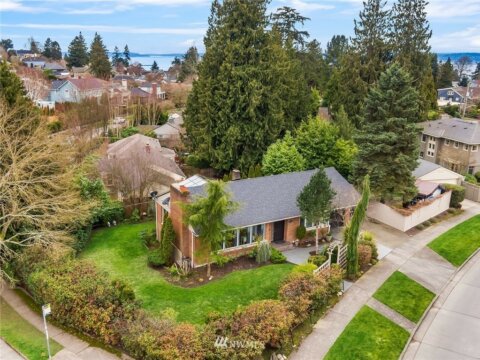
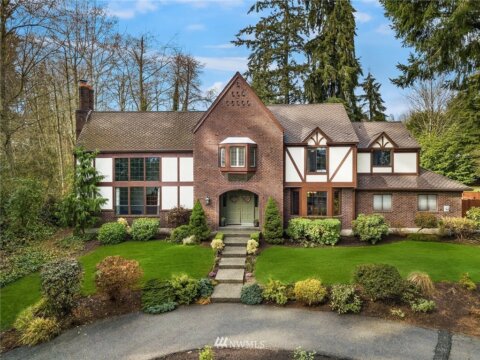
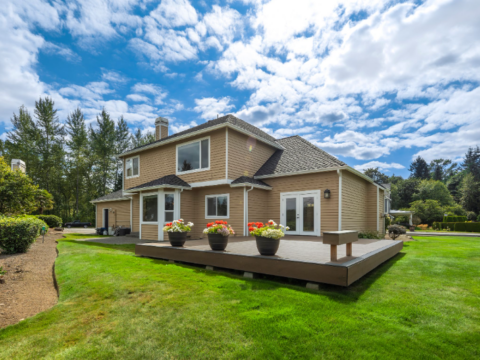

As you move south of 145th Street into Seattle city limits, neighborhoods generally become more urban in character. You will notice increased density, more mixed-use development, and a greater blend of residential and commercial spaces. This urban energy is part of what attracts many buyers to Seattle, particularly those who value walkability, restaurants, nightlife, and transit access.
Like most major cities, Seattle also faces urban challenges that vary block by block. Proximity to major highways, transit corridors, commercial zones, and certain public spaces can influence both neighborhood feel and property values. Buyers exploring areas near redevelopment corridors or transit expansion should pay close attention to micro-location differences.
Within established Seattle Luxury Neighborhoods, however, desirability is often driven by proximity to water, view corridors, privacy, and stable residential zoning. Waterfront access, territorial views, and shorter commute times continue to command a premium.
Highly Regarded Waterfront and Sound-Adjacent Areas North of Seattle
For buyers seeking homes outside the city core but still within reach of premier lifestyle amenities, several areas along Puget Sound remain in strong demand:
- Richmond Beach (Shoreline) – Known for Puget Sound views, beach access, and a quieter residential feel.
- Edmonds Bowl – Walkable waterfront community with ferry access, dining, and strong long-term appeal.
- The Highlands (Shoreline) – A private, gated community offering large lots, architectural distinction, and estate-level properties.
While not technically within Seattle city limits, these communities are often considered by buyers comparing options near established Seattle Luxury Neighborhoods, especially those prioritizing water views and privacy over urban density.
In this region, proximity to Puget Sound and limited inventory continue to support long-term value within higher-end segments of the market.
Established Seattle Luxury Neighborhoods
Several areas consistently define the upper tier of Seattle Luxury Neighborhoods, particularly those offering water views, privacy, architectural distinction, and proximity to downtown.
Puget Sound Side (West of Downtown Seattle)
These neighborhoods offer Sound views, sunset exposure, and strong residential appeal:
- Magnolia Bluff – Known for sweeping Puget Sound views, larger lots, and a quieter residential feel while remaining close to downtown.
- Queen Anne (Upper Queen Anne) – Elevated homes with skyline and water views, historic architecture, and proximity to Seattle Center.
Both areas command premium pricing due to location, view corridors, and established neighborhood character.
Lake Washington Side (East of Downtown Seattle)
Waterfront access and lake views drive some of the highest demand within Seattle Luxury Neighborhoods:
- Windermere – Residential, refined, and known for larger lots and proximity to the Burke-Gilman Trail and Lake Washington.
- Laurelhurst – Strong neighborhood identity, waterfront properties, and close access to the University of Washington.
- Mercer Island – Located between Seattle and Bellevue, offering estate-level homes, lake frontage, and a suburban feel with strong commuter access.
- Madrona & Madison Park – Walkable lakeside communities with boutique retail, restaurants, and a mix of classic and modern luxury homes.
- Broadmoor – A gated golf course community near the Washington Park Arboretum, known for privacy and established prestige.
These neighborhoods represent some of the most stable and sought-after segments of Seattle Luxury Neighborhoods, particularly for buyers prioritizing waterfront lifestyle and long-term value.
Urban & Island Luxury Options
- Capitol Hill (select residential pockets) – Offers historic mansions, modern high-end condos, and walkability to downtown amenities. The character varies by micro-neighborhood, so careful selection is key.
- Bainbridge Island – Accessible via ferry, offering estate-style homes, waterfront properties, and a quieter lifestyle while maintaining access to downtown Seattle.
Across all of these areas, pricing reflects scarcity, water proximity, architectural quality, and neighborhood reputation. Within established Seattle Luxury Neighborhoods, long-term value tends to be supported by limited inventory and enduring buyer demand.
Luxury Neighborhoods Around Bellevue, WA
While this guide focuses on Seattle Luxury Neighborhoods, many luxury buyers also consider premier Eastside communities that offer strong schools, privacy, and proximity to the tech corridor.
Highly regarded luxury areas near Bellevue include:
- Medina – Known for waterfront estates, privacy, and estate-level properties along Lake Washington.
- Clyde Hill – Elevated lots, sweeping views, and architectural distinction near downtown Bellevue.
- West Bellevue – Walkable access to downtown amenities combined with established residential streets.
- Lake Sammamish (East of Bellevue) – Waterfront and view properties with a more suburban feel.
- Kirkland (select waterfront and West-of-Market areas) – Marina access, boutique walkability, and refined residential pockets.
- Mercer Island – Positioned between Seattle and Bellevue, offering lakefront estates and strong long-term appeal.

As buyers move into upper-tier price points, they often gain access to the most desirable enclaves within these Eastside markets. Value at this level is driven primarily by location, water proximity, privacy, and view corridors.
For buyers seeking comfort and space without entering estate-level territory, many excellent options exist in strong residential neighborhoods that balance accessibility with livability. The right choice depends less on a specific price band and more on your priorities: commute, school district, waterfront access, lot size, architectural style, and long-term investment goals.
It is also worth noting that many of the most prestigious areas feature older, established homes on premium lots. These neighborhoods command strong pricing because they were developed first and occupy the most desirable land. Buyers who prefer newer, modern construction often explore parts of Kirkland, Bothell, and areas north or east of Bellevue where contemporary builds are more common.
As with Seattle Luxury Neighborhoods, micro-location matters. Block-by-block differences can significantly impact lifestyle, long-term value, and overall feel. A personalized review of your budget, commute patterns, and lifestyle priorities will help narrow the options effectively.
If you would like a deeper dive into any specific Eastside neighborhood, I would be happy to walk through the trade-offs and opportunities in more detail.
Commuting Into Downtown Seattle From the North
(Shoreline, Lake Forest Park, Lynnwood, Everett)
For buyers considering neighborhoods north of Seattle, commuting patterns are a major lifestyle factor. Many homeowners in Shoreline, Lake Forest Park, Lynnwood, and even Everett work in downtown Seattle, South Lake Union, or the University District.
From the Shoreline and Lake Forest Park area, commuters often combine short drives to park-and-ride locations along I-5 with express bus service into the city. When timed well, this approach can be efficient and predictable. Driving during peak rush hour, however, can extend commute times significantly depending on congestion.
Downtown employment density increases south of the University of Washington and around South Lake Union, where major employers such as Amazon and other tech companies are concentrated. Buyers who want access to these job centers often compare commute trade-offs carefully when evaluating homes in northern suburbs versus core Seattle Luxury Neighborhoods closer to downtown.
Parking downtown can be expensive and availability varies, so many professionals prefer transit or hybrid commuting models when possible.
East-West Commutes
Some buyers choose to live east of Bellevue toward Lake Sammamish, Issaquah, or along the SR-520 or I-90 corridors. These routes connect the Eastside to Seattle via floating bridges and can offer strong residential options, though commute times fluctuate with traffic and bridge conditions.
Light Rail and Transit Expansion
Light rail expansion has become an increasingly important factor in regional housing decisions. Stations along I-5 and extending across the lake toward Bellevue are influencing new high-density development and buyer interest near transit hubs.
While transit may not always be faster than driving door-to-door, it offers predictability and reduced parking stress. For many buyers, proximity to light rail stations has become an added value component when comparing neighborhoods.
Want a deeper breakdown of commute times, traffic patterns, and how transit impacts where you should live?
Read my full guide here: Where to Live Based on Commuting in Seattle
That guide walks through commute strategy, transit options, and how to balance lifestyle with travel time before choosing a neighborhood.
Choosing the Right Seattle Luxury Neighborhood for You
When evaluating Seattle Luxury Neighborhoods, it quickly becomes clear that there is no single “best” area. The right neighborhood depends on your priorities: commute time, waterfront access, school districts, privacy, walkability, architectural style, and long-term investment goals.
Some buyers prioritize proximity to downtown or South Lake Union. Others want lake views in Medina or Mercer Island. Some prefer the quiet prestige of Broadmoor or Laurelhurst. Others want modern construction on the Eastside near Bellevue and Kirkland.
Luxury in Seattle is not just about price. It is about location, lifestyle alignment, and long-term value protection.
The most successful buyers take time to understand:
- Micro-location differences block by block
- School district boundaries and zoning
- Commute trade-offs
- Long-term appreciation patterns
- Architectural trends and resale positioning
That is where expert guidance matters.
Let’s Narrow It Down Together
If you are considering a move into one of the area’s Seattle Luxury Neighborhoods, I would be happy to help you refine your options.
We can:
- Review your ideal commute and lifestyle priorities
- Compare neighborhoods side by side
- Analyze pricing trends in your target areas
- Identify off-market or upcoming opportunities
- Build a clear strategy before you begin touring
Luxury buying is not about rushing. It is about making a thoughtful, confident decision.
If you would like a personalized neighborhood consultation, reach out and we will schedule a strategy call to clarify your next move.
Your home should reflect not just your budget, but your vision for the next chapter of life.
Tell Us What You Need!
We would love to hear from you! Please fill out this form and we will get in touch with you shortly.
