

Seattle Neighborhood Guide: Where to Live and What to Know
Thinking about moving to Seattle in 2026? The most important decision you’ll make is not just whether to move, but where to live. Seattle is a city of distinct neighborhoods, each with its own personality, price range, lifestyle, commute pattern, and housing style.
I’m Emily Cressey with HomePro Associates in Seattle, and this neighborhood guide is designed to help you get oriented quickly. Whether you’re relocating for work, lifestyle, schools, or long-term investment, understanding how Seattle’s neighborhoods differ will help you make a confident, informed decision. Below, you’ll find insight into what makes each area unique so you can narrow your focus and choose a community that fits your goals.
What You’ll Learn About Seattle Neighborhoods
On this page, you’ll discover:
• How Seattle’s neighborhoods differ in price, lifestyle, and housing styles
• Which areas attract families, professionals, investors, and relocation buyers
• How commute patterns and geography shape daily life
• What to expect from schools, amenities, and walkability
• How neighborhood choice impacts long-term value and resale
Whether you’re just starting your research or narrowing down your options, this Seattle neighborhood guide will help you move forward with clarity and confidence.

For some people, the commute is the most important thing. For others, it is the school district, jogging trails and parks, or just how much space they will have in the home.
I work with new buyers who are moving to Seattle, WA and want to know the basics as they begin to research their relocation to the Puget Sound.
One important thing to know is that the whole region has kind of blended together into “the greater Seattle area.” Basically, anywhere within an hour commute of Seattle’s downtown will put you in an urban (or suburban area) with people commuting into the city for work. Because we have so much water around us, land is at a premium, and most of the traffic gets shunted onto the I-5 and 405 Freeways.
Take a look at some of these tips I’ve compiled for other clients moving to Seattle, WA and let me know at the bottom what questions I can answer for you!
Seattle Regional Overview Map
Before choosing a specific neighborhood, it helps to understand how the greater Seattle region is organized geographically.
Seattle is shaped by water, bridges, mountains, and major transportation corridors. Because of this, the region is best understood in zones rather than simple mileage.
Below is a simplified overview to help you “get your bearings” before diving into individual neighborhoods.
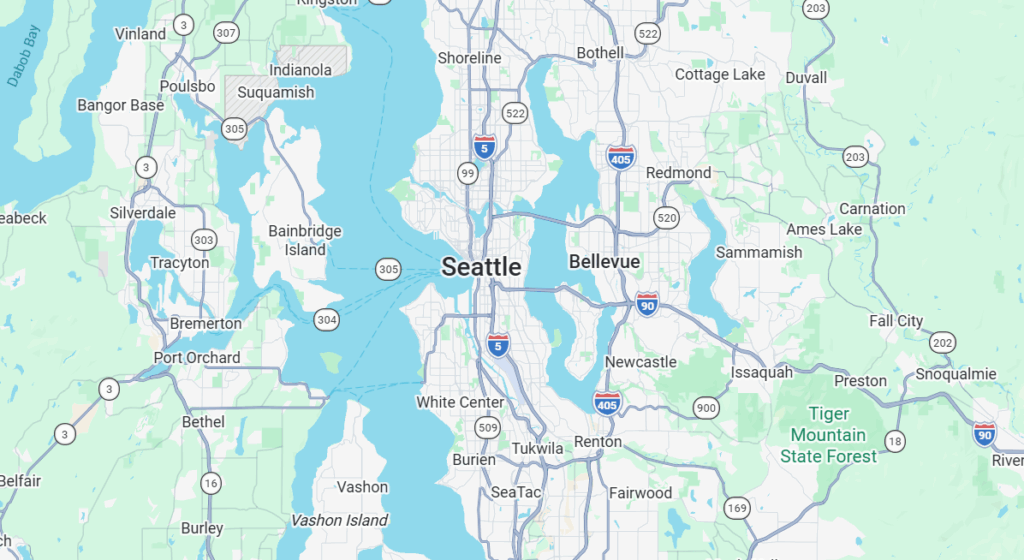
| Region | Includes | Lifestyle Feel | Price Trend | Commute Pattern | Best For |
|---|---|---|---|---|---|
| Seattle Urban Core | Downtown, Capitol Hill, Ballard, Green Lake, West Seattle | Urban to semi-urban, walkable pockets | Higher price per sq ft | Light rail, buses, some bridge reliance | Buyers prioritizing proximity & city energy |
| Eastside | Bellevue, Kirkland, Redmond, Mercer Island, Issaquah | Polished, strong schools, tech-driven | Generally higher | I-90 & SR-520 bridge crossings | Tech workers, families prioritizing schools |
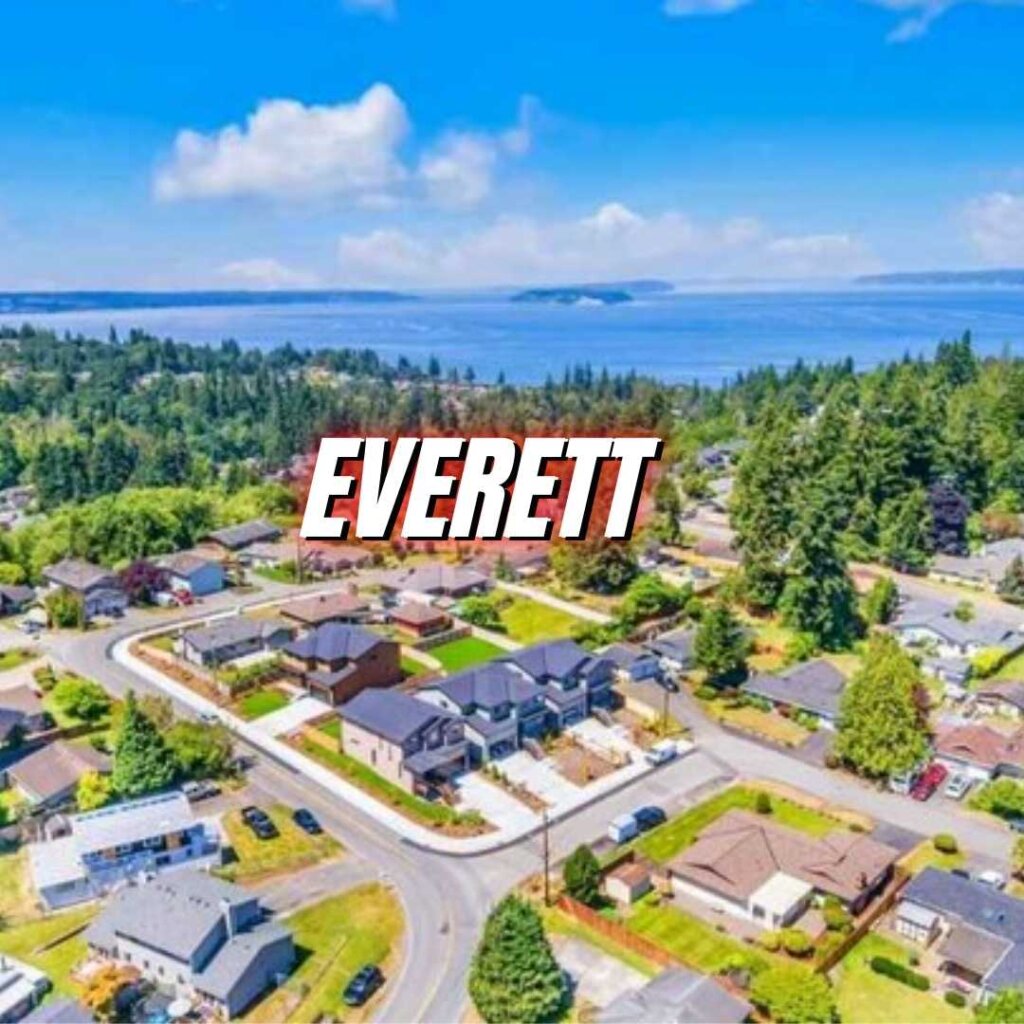
| North Corridor | Shoreline, Lake Forest Park, Lynnwood, Everett | Suburban, more space | More attainable as you move north | I-5 northbound, expanding light rail | Families wanting space with moderate commute |
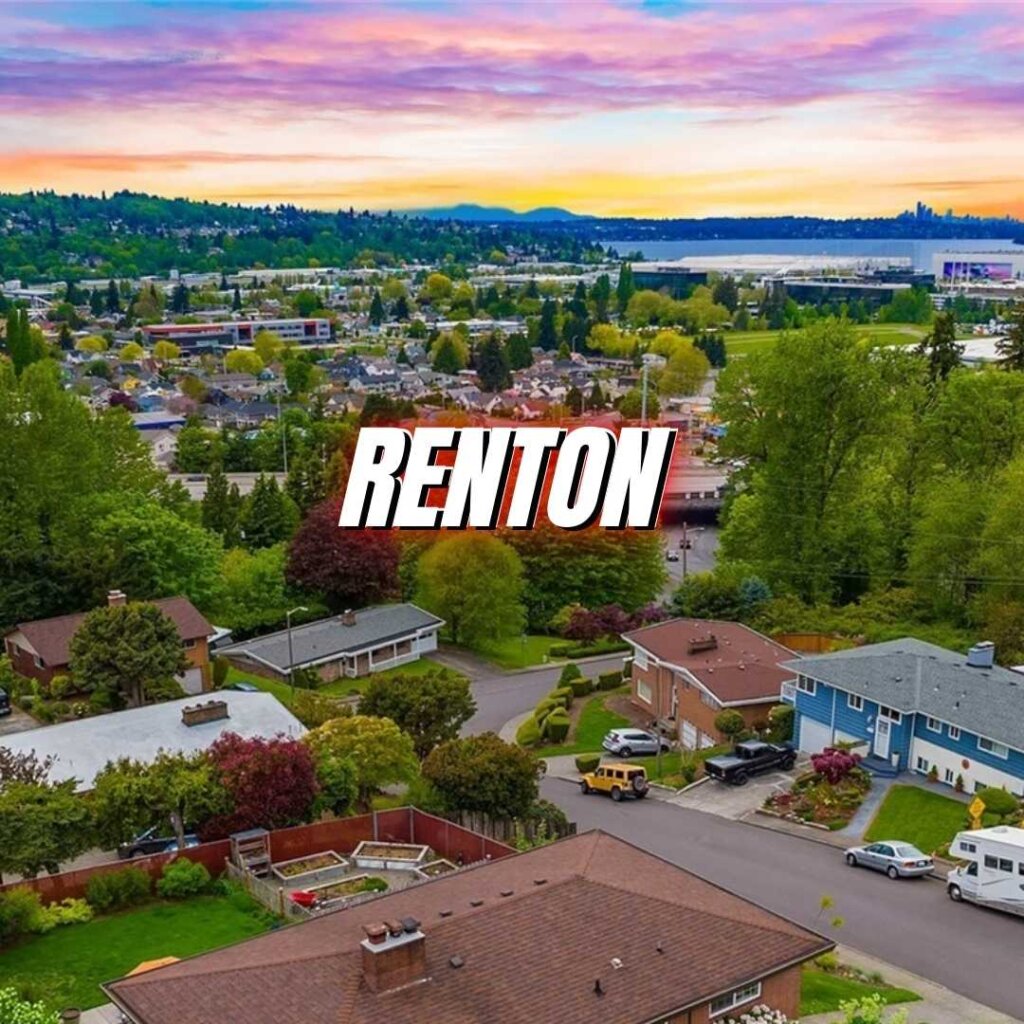
| South Corridor | Renton, Kent, Federal Way, Tacoma | Suburban to secondary city | Often more affordable | I-5 southbound, Sounder rail option | Budget-focused buyers, hybrid commuters |
| Foothills / East of Eastside | Sammamish, Issaquah Highlands, North Bend | Scenic, outdoors-focused | Mid to upper tier | I-90 dependent | Lifestyle-driven buyers, remote workers |
Cost of Living Insights
Moving to Seattle means adapting to one of the most dynamic and desirable housing markets in the country — but it also comes with a higher cost of living than the national average. Understanding these costs ahead of time helps you budget wisely, make confident decisions, and avoid surprises once you arrive.
Housing Costs
Housing is the single biggest expense for most people moving to Seattle.
Whether you’re buying or renting, prices are above the U.S. average, driven by strong job growth, especially in tech, healthcare, and corporate sectors.
Renting in Seattle
• Studio apartments in central areas typically start higher than other U.S. cities.
• One-bedroom apartments in neighborhoods like Capitol Hill or Queen Anne often command premium rent due to demand and location.
• Suburban areas (e.g., Everett, Lynnwood, Tacoma) usually offer lower rents with slightly longer commutes.
Buying a Home
• Seattle’s median home value is higher than the national median.
• Prices vary widely by neighborhood — e.g., Ballard, West Seattle, and Green Lake often cost more than peripheral areas.
• Even entry-level homes tend to cost more than similar properties in midwestern or southeastern cities.
What to Expect When Budgeting for Housing:
• If you’re a first-time buyer, save for a larger down payment to be competitive.
• If renting, anticipate higher deposits and move-in fees.
Utilities and Essentials
When you move to Seattle, utilities and everyday bills are close to or slightly above the national average:
Typical Utility Expenses Include:
• Electricity and heating/cooling
• Water, sewer, and trash
• Internet (often essential for remote workers)
Tips to Save:
• Bundling internet with streaming services can lower monthly bills.
• Energy-efficient practices (like LED lighting and smart thermostats) help keep costs down, especially in cooler seasons.
Transportation Costs
Seattle’s unique geography, traffic patterns, and transit options affect your cost of mobility:
Car Expenses:
• Gas prices are above national average, partly due to state taxes and urban demand.
• Parking in downtown or denser neighborhoods can add extra monthly costs.
Public Transit:
• The ORCA card system provides access to buses, light rail, and ferries.
• Transit passes are often more affordable than daily commuting by car — especially for downtown workers.
Ride Share & Alternatives:
• Ride-hail services like Uber and Lyft are frequently used for shorter trips.
• Biking is increasingly popular in many neighborhoods thanks to dedicated bike lanes.
Groceries and Everyday Shopping
Seattle grocery costs are slightly above average:
• Popular chains include Trader Joe’s, PCC Community Markets, and QFC.
• Shopping local farmers markets can be both a food-culture experience and a way to get fresh produce.
Pro Tip: Meal planning and shopping weekly at bulk stores helps reduce recurring grocery bills.
Healthcare and Insurance
Access to quality healthcare is a strong point of living in Seattle. However, costs follow national trends:
Healthcare Factors:
• Employer-sponsored health insurance can reduce out-of-pocket costs.
• Without coverage, medical costs and premiums are similar to other major urban areas.
Lifestyle & Entertainment Budgets
Living in Seattle also means access to vibrant culture — but it’s worth budgeting for experiences:
• Coffee culture and local cafes
• Outdoor activities (hiking, boating, ski trips)
• Music venues and festivals
• Professional sports and events
These are optional but often essential parts of life here that new residents enjoy.
Are you ready to see the full plan?

Understanding the full strategy is essential when buying a home. Review the complete Buying a Home in Seattle guide to see how everything connects.
How This Affects Your Move
Understanding cost of living before moving to Seattle lets you plan with confidence:
Budget Planning:
• Establish a monthly budget based on housing, utilities, groceries, transportation, and entertainment.
• Use cost comparison tools (e.g., Cost of Living calculators) to compare your current city with Seattle.
Salary Considerations:
• Seattle’s average salaries tend to be higher, especially in tech and healthcare, which offsets some cost increases.
• Still, careful planning ensures you’re not caught off guard.
Neighborhood Guide & Comparisons
One of the biggest decisions you’ll make when moving to Seattle is choosing the right neighborhood. Seattle is a city of distinct micro-communities. Two neighborhoods just ten minutes apart can feel completely different in personality, price point, walkability, and commute time.
Below is a practical breakdown to help you get your bearings.
Capitol Hill
Best for: Young professionals, renters, nightlife lovers
Vibe: Urban, energetic, walkable
Commute: Excellent access to light rail and downtown
Capitol Hill is one of Seattle’s most vibrant and walkable neighborhoods. You’ll find restaurants, coffee shops, music venues, and parks all within a few blocks. It’s ideal for people who want an active social life and easy access to public transit.
Housing here leans heavily toward apartments and condos, though there are charming older homes tucked into quieter streets. Parking can be limited, and space is generally smaller.
If you’re moving to Seattle without a car, this is one of the easiest places to land.

However, if you’re relocating with children or looking for a quieter residential environment, you may want to explore my guide to the best neighborhoods for families.
Ballard
Best for: Young families, professionals, food lovers
Vibe: Trendy but relaxed, strong neighborhood identity
Commute: Moderate to downtown, improving transit
Ballard blends historic charm with modern development. It has a strong community feel, excellent restaurants, farmers markets, and access to water views.
Single-family homes are common, but so are townhomes and new construction. Prices tend to be on the higher side due to popularity and limited inventory.
Ballard is ideal for buyers who want neighborhood character but still easy city access.

Queen Anne
Best for: Professionals, move-up buyers
Vibe: Classic Seattle, views, established
Commute: Quick access to downtown
Queen Anne offers some of Seattle’s best skyline and water views. Upper Queen Anne feels residential and quiet, while Lower Queen Anne is more urban and connected to Seattle Center.
Homes here are often older with architectural character. Prices reflect proximity to downtown and views.
If you’re moving to Seattle for a corporate or medical job downtown, this neighborhood offers a strong balance of convenience and charm.

Green Lake
Best for: Active families, outdoor enthusiasts
Vibe: Community-oriented, outdoorsy
Commute: North of downtown, manageable drive
Green Lake centers around its namesake park, which attracts runners, families, and dog walkers year-round. Homes are primarily single-family, and demand is consistently strong.
It’s a popular choice for families moving to Seattle who want access to parks and a slightly quieter feel without leaving the city.

However, if Green Lake pricing stretches your budget, you may want to explore some of Seattle’s more affordable neighborhoods for families that still offer strong community amenities and livability.
West Seattle
Best for: Families, buyers wanting more space
Vibe: Coastal, residential, laid-back
Commute: Variable due to bridge traffic
West Seattle feels almost like a separate town, with beaches, water views, and more suburban-style homes. It typically offers slightly more square footage for the price compared to some north-end neighborhoods.
The main consideration is commute time, especially depending on bridge access and traffic patterns.

North Seattle (Northgate, Maple Leaf, Wedgwood)
Best for: Value-focused buyers, families
Vibe: Residential, quieter
Commute: Strong light rail access
North Seattle offers more affordability compared to central neighborhoods. With expanded light rail access, commute times have improved significantly.
This area is often attractive to first-time buyers moving to Seattle who want single-family homes but need to stay within a certain budget.

Suburban Comparisons: Just Outside Seattle
Many relocation buyers consider suburbs for more space, newer construction, and school district options.
Bellevue
Best for: Tech professionals, luxury buyers
Vibe: Polished, corporate, upscale
Commute: Major tech hub
Bellevue is a separate city east of Seattle and home to major tech employers. Housing costs are high, but many properties are newer and larger.
If you’re relocating for Amazon, Microsoft, or other tech companies, Bellevue is often at the top of the list.

Redmond
Best for: Microsoft employees, families
Vibe: Suburban with trails and parks
Commute: Eastside tech corridor
Redmond offers strong schools, parks, and family-oriented neighborhoods. Homes tend to be larger and newer than in Seattle proper.

Edmonds
Best for: Buyers wanting a coastal small-town feel
Vibe: Waterfront charm, relaxed
Commute: North of Seattle
Edmonds provides a quieter lifestyle with ferry access and walkable downtown streets. It’s appealing to buyers who want distance from urban intensity but still commute into the city.
Explore the Complete Neighborhood Breakdown
If you’re seriously considering this area, review the full neighborhood guide for deeper insight into home values, lifestyle, schools, and long-term market trends.







How to Choose the Right Area When Moving to Seattle

Choosing the right neighborhood in Seattle is about more than picking a place that looks nice online. Seattle’s geography, traffic patterns, and micro-markets can dramatically influence daily life, long-term value, and overall satisfaction with your move. When relocating, I recommend narrowing your search using these four factors:
1. Commute First
In Seattle, commute patterns can shape your entire experience. Bridges, water access, and major corridors like I-5, I-405, and Highway 520 create natural bottlenecks, so a neighborhood that looks close on a map may feel very different during peak hours. Before falling in love with a home, test the commute during real traffic times, because quality of life often improves dramatically when commute stress is minimized. To explore how different areas stack up and find the best neighborhoods for commuting in Seattle, check out our full commute guide here: Commuting in Seattle: Best Neighborhoods for Easy Travel.
2. Lifestyle Priorities
Every Seattle neighborhood has a different personality. Some offer walkable urban energy with restaurants and nightlife. Others provide quiet residential streets, parks, and strong community feel. Consider whether you prefer newer construction, historic homes, waterfront access, or proximity to trails and green space. Your daily lifestyle should align with your surroundings.
3. Budget Reality
Seattle pricing can shift noticeably within just a few miles. School districts, view corridors, waterfront access, and proximity to employment centers all influence values. Understanding realistic price ranges early helps you focus your search and avoid frustration. Comparing neighborhoods side by side can reveal surprising opportunities.
4. Long-Term Plans
AreAre you planning to stay three years or ten? Your time horizon affects which factors matter most. Buyers staying longer may prioritize school districts and appreciation trends. Shorter-term buyers may focus more on flexibility and resale potential. Thinking ahead protects both lifestyle and investment goals.
Pro Tip for Relocation Buyers
If you’re moving to Seattle from out of state, consider short-term housing for 60 to 90 days while you explore neighborhoods in person. What looks good on a map can feel very different once you experience commute times, noise levels, and community atmosphere.

Transportation & Commuting Tips
Transportation in Seattle is more than getting from point A to point B. The city’s layout — with lakes, bridges, and major corridors like Interstate-5, SR-520, and I-90 — shapes daily life and neighborhood choice. Traffic congestion in the Seattle-Everett-Bellevue region consistently ranks among the worst in the nation, with commuters losing significantly more time to delays than the average U.S. driver. This means that where you live can dramatically affect your quality of life and family routines.
1. Know Your Transportation Options
Public Transit
Seattle and King County offer a wide variety of transit options that can dramatically shorten commute times and reduce stress:
- Link Light Rail: Sound Transit’s Link runs from Northgate down through downtown and south toward Angle Lake, with frequent service and expanding reach. Extensions toward the Eastside and further north are planned or underway.
- Buses: King County Metro operates one of the region’s most extensive bus networks. In combination with light rail, buses help connect many neighborhoods and suburbs.
- Water Taxis & Ferries: King County’s Water Taxi provides a quick connection between West Seattle and downtown, while Washington State Ferries link Seattle with surrounding islands.
- Streetcars: Seattle’s streetcar lines serve central neighborhoods, providing a scenic and convenient local transit option.
Using an ORCA card — a single transit card for buses, trains, ferries, and streetcars — simplifies travel and saves money on transfers.
Driving
Many residents commute by car, but heavy congestion should be factored into neighborhood decisions. Traffic volumes on I-5, I-90, and SR-520 peak during mornings and evenings, and delays can vary greatly day to day. The Evergreen Point Floating Bridge on SR-520 is a key east-west route that connects Seattle with Bellevue and the Eastside, and it can become a chokepoint during peak periods.
Active Transportation
Walking, biking, and scooters are increasingly popular, especially within neighborhoods and for short segments of a commute. Seattle’s pedestrian-friendly areas and expanding bike infrastructure make active travel a viable choice, particularly for local errands or “last mile” connections from transit stops.
2. Planning Your Commute
Test Your Route Early
Before you commit to a home, drive or ride your planned commute during rush hour. What looks like a 15-minute trip on Google Maps can easily become 30–45 minutes in real-world conditions.
Use Real-Time Tools
Apps like Google Maps, OneBusAway, and Transit give up-to-date arrival times for buses and trains and the best driving or transit routes. These tools help you plan around delays or reroutes, and can be especially useful for hybrid work schedules.
Consider Park-and-Ride Options
If your commute blends transit and driving, park-and-ride facilities near light rail stations help bridge the gap. This can reduce the portion of your commute spent in freeway congestion.
Look for Transit-Oriented Neighborhoods
Some areas of the city were built around transit access — like ones near Link light rail stations or major bus corridors. These neighborhoods offer predictable travel times and are often highlighted as great options for commuters. If you want a deeper breakdown of the best neighborhoods for commuting in Seattle, check out that full guide here:
Commuting in Seattle: Best Neighborhoods for Easy Travel
3. Hybrid Work & Flexible Schedules
With more employers offering hybrid work arrangements, how often you commute matters. If you only travel to the office a few days per week, it may make sense to prioritize a neighborhood that fits your lifestyle — even if commute times are a bit longer — in exchange for larger home size or better schools.
4. Lifestyle & Cost Tradeoffs
- Traffic stress: Longer drive times can affect family routines, energy levels, and weekend plans.
- Transit access: Living near reliable transit can boost property values and provide predictable travel.
- Commute vs. space: Neighborhoods closer to transit and jobs often cost more per square foot; farther areas may require tradeoffs between space and commute length.
By understanding Seattle’s transportation landscape and planning early, you can choose a neighborhood that supports both your daily routine and long-term lifestyle goals. As you explore areas, be sure to consider how different commute modes — car, bus, light rail, bike, or ferry — fit into your family’s needs
What to Know Before You Move
Moving to Seattle is exciting, but it is not like moving to a flat, car-centric city. Geography, cost of living, traffic patterns, and even microclimates can dramatically affect your experience.
Before you choose a neighborhood, here are a few important realities to understand.
1. Seattle Is a City of Micro-Neighborhoods
Two neighborhoods just a few miles apart can feel completely different.
- Urban high-rise living vs tree-lined residential streets
- Walkable districts vs car-dependent pockets
- Hillside views vs flatter, transit-oriented zones
It is important to visit areas in person if possible, and ideally at different times of day. A street that feels calm at 10 a.m. can feel very different at 5 p.m.
2. Commute Impacts Quality of Life
Seattle’s waterways, bridges, and major corridors like I-5, I-90, and SR-520 create natural bottlenecks. A location that looks close on a map may not feel close during peak hours.
Before falling in love with a home, test the commute in real traffic conditions. For a deeper breakdown of which areas offer the most efficient daily travel, review our guide on Commuting in Seattle: Best Neighborhoods for Easy Travel.
Commute stress adds up over time. Reducing it often improves overall lifestyle satisfaction more than upgrading square footage.
3. Cost of Living Extends Beyond Home Price
Seattle’s housing costs get the headlines, but families should also budget for:
- Property taxes
- Utilities
- Childcare
- Transportation
- Parking
- Groceries and services
A home that fits your mortgage approval may not fit your lifestyle comfortably. Long-term sustainability matters more than stretching to the maximum.
If affordability is a concern, explore our breakdown of Best Affordable Neighborhood Areas for Families in Seattle for practical options.

4. School Boundaries Matter
Even within the same general neighborhood, school assignments can vary by street. If schools are important to your family, verify exact boundaries before making a decision.
Neighborhood popularity and home values are often tied to school perception, so this is both a lifestyle and investment consideration.

5. Inventory Moves Quickly
Seattle real estate can move fast, especially in spring and early summer. Well-priced homes in desirable neighborhoods often attract multiple offers.
Preparation is key:
- Meet with a lender early
- Understand your budget range
- Narrow neighborhoods before actively touring
If you are unsure where you fit as a buyer, reviewing the Types of Home Buyers in Seattle can help clarify your strategy.
6. Weather and Light Are Real Factors
Seattle’s darker winters affect some newcomers more than expected. South-facing light, walkability to cafes or parks, and access to outdoor spaces can make a meaningful difference in daily happiness.
Many families underestimate how much natural light and proximity to green space matter until they live through their first winter.
7. Long-Term Plans Should Guide Short-Term Decisions
Ask yourself:
- How long do we realistically plan to stay?
- Are we expecting job changes?
- Do we need space to grow?
- Will commute patterns change?
Buying for the next five to ten years is often wiser than buying only for the next twelve months.
Seattle offers incredible lifestyle advantages — water access, mountain views, strong job markets, and vibrant neighborhoods — but choosing wisely at the beginning can save years of frustration.
If you would like help narrowing your options based on commute, budget, school priorities, or lifestyle goals, I am happy to help you create a focused shortlist.
Frequently Asked Questions About Living in Seattle
Is Seattle expensive to live in?
Yes. Seattle’s cost of living is above the national average, primarily driven by housing prices. Rent, home prices, childcare, and transportation can all add up quickly. That said, Seattle also offers strong job markets in tech, healthcare, aerospace, and education, which often offset higher costs. The key is choosing a neighborhood that aligns with both your income and lifestyle goals.
What neighborhoods are best for families in Seattle?
The “best” neighborhood depends on your priorities.
- Green Lake offers parks, walkability, and a strong community feel.
- Ballard provides neighborhood charm with access to schools and local amenities.
- West Seattle offers more residential streets and access to waterfront parks.
- Shoreline and North Seattle provide slightly more space at more approachable price points.
For a deeper breakdown of family-friendly areas and affordability tradeoffs, see our guide to Best Affordable Neighborhood Areas for Families in Seattle.
What neighborhoods are best for commuting?
If commuting is your top priority, areas near light rail stations or major freeway access points tend to perform best.
- Capitol Hill and Northgate offer strong light rail access.
- Mercer Island and Madison Park provide convenient access to I-90 or SR-520 for Eastside commutes.
- Belltown and First Hill allow short downtown travel times.
For a full breakdown by work location, visit our detailed guide on Commuting in Seattle: Best Neighborhoods for Easy Travel.
How do I decide where to live before moving to Seattle?
Start with these filters:
- Work location and commute frequency
- Budget range and monthly comfort level
- School priorities
- Desired lifestyle (urban, suburban, walkable, quiet)
Use map views to compare drive times during peak hours. Look at transit routes and school boundary maps. If possible, visit neighborhoods at different times of day.
Most importantly, narrow your list to 3 to 5 realistic options before actively home shopping.
Is it better to rent or buy when moving to Seattle?
That depends on your timeline and financial position. If you are relocating from out of state and unfamiliar with neighborhoods, renting for 6 to 12 months can reduce pressure. If you plan to stay long term and have stable employment, buying may help you stabilize housing costs.
If you are weighing that decision, review our guide on renting versus buying to compare pros and cons.
Are there affordable neighborhoods left in Seattle?
Yes, but affordability is relative. Some neighborhoods offer better value compared to the city average, particularly in South Seattle, parts of North Seattle, and areas just outside city limits. Expanding your search radius often increases square footage and long term flexibility.
See our breakdown of affordable neighborhood options for families to explore those areas in more detail. Traffic congestion is a reality, especially on I-5, I-405, SR-520, and I-90 during peak hours. However, light rail, park-and-ride options, and strategic neighborhood selection can significantly reduce commute stress. Choosing a location based on real travel patterns often makes a bigger difference than square footage.
How bad is traffic in Seattle?
Traffic congestion is a reality, especially on I-5, I-405, SR-520, and I-90 during peak hours. However, light rail, park-and-ride options, and strategic neighborhood selection can significantly reduce commute stress. Choosing a location based on real travel patterns often makes a bigger difference than square footage.
Ready to Narrow It Down?
Choosing the right neighborhood in Seattle is not just about finding a house. It is about understanding commute patterns, lifestyle fit, school access, long-term affordability, and how each area supports your goals.
If you are still in research mode, that is perfectly fine. The best moves are usually the well-informed ones.
Tell me:
- Your budget range
- Where you will be commuting
- How many days per week you travel
- Whether schools, walkability, or yard space matter most
I will help you create a focused shortlist of neighborhoods that fit your criteria. If you are relocating from out of state, I can also film specific streets, drive commute routes, or preview homes so you can make confident decisions from afar.

Even if you are months away from moving, it pays to understand the market at a macro level first. Getting your bearings now helps you act decisively later.
When you are ready, reach out. I am happy to help you think through the tradeoffs and build a plan that works for your family.
Talk to you soon!
How Can We Help You?
We would love to hear from you! Please fill out this form and we will get in touch with you shortly.